
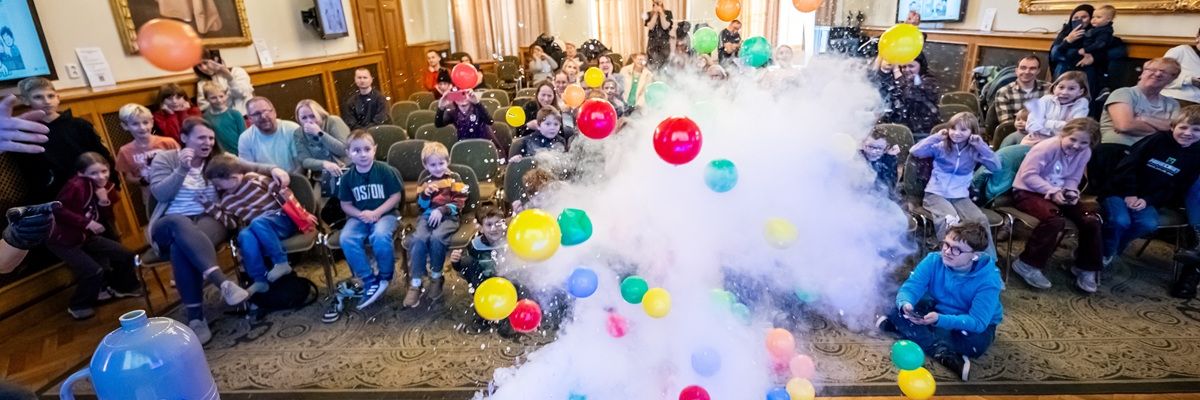
Highlights from the 2026 Week of the Czech Academy of Sciences
18. 11. 2026
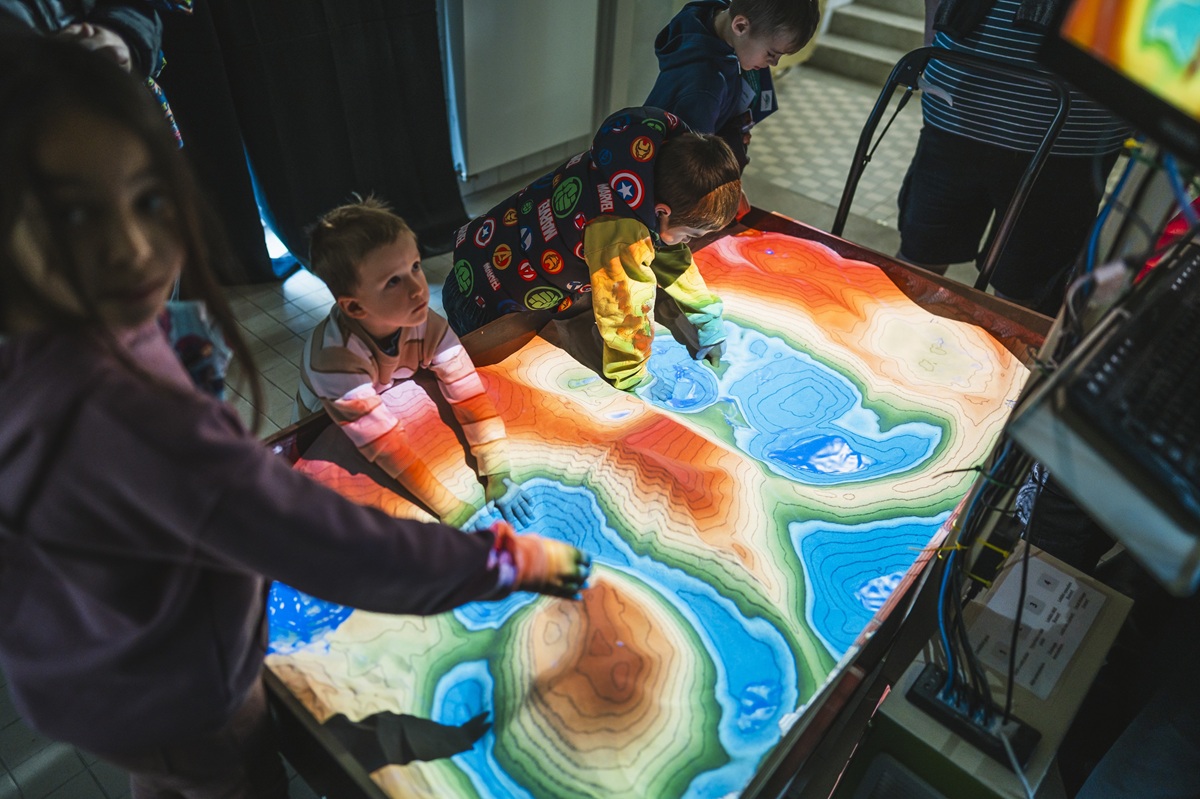
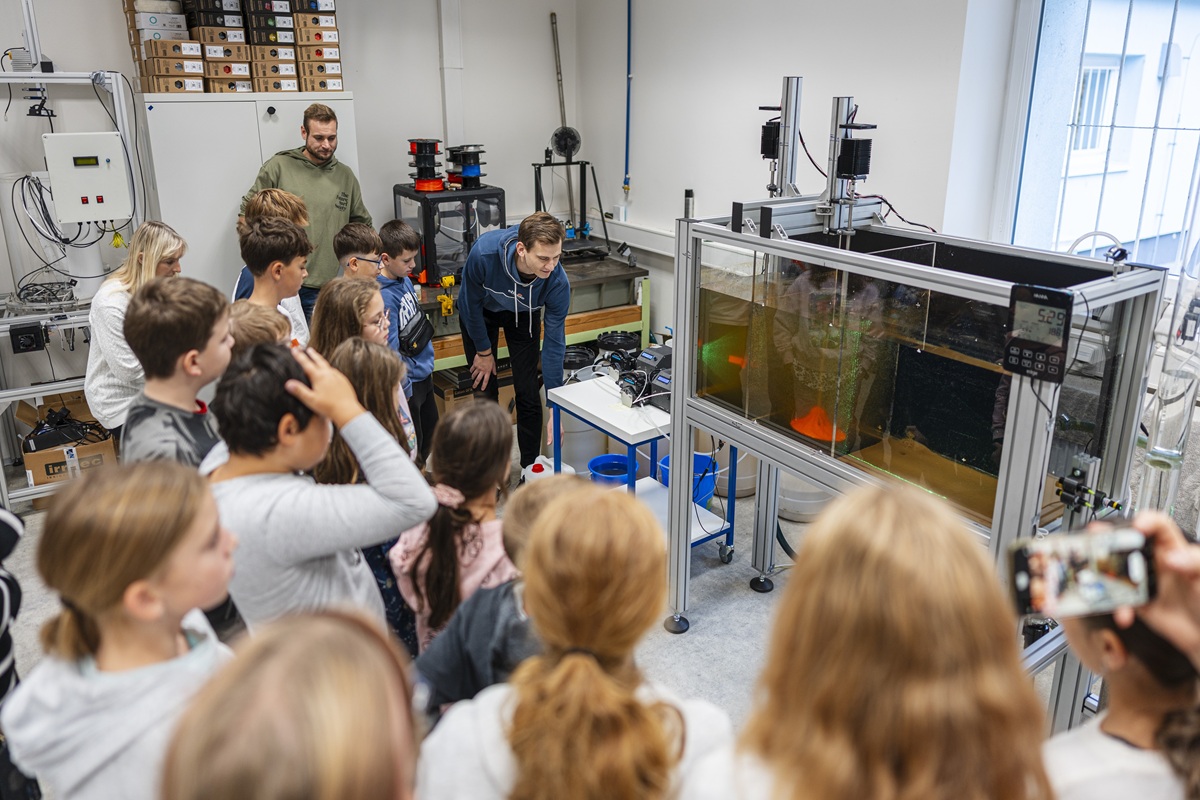
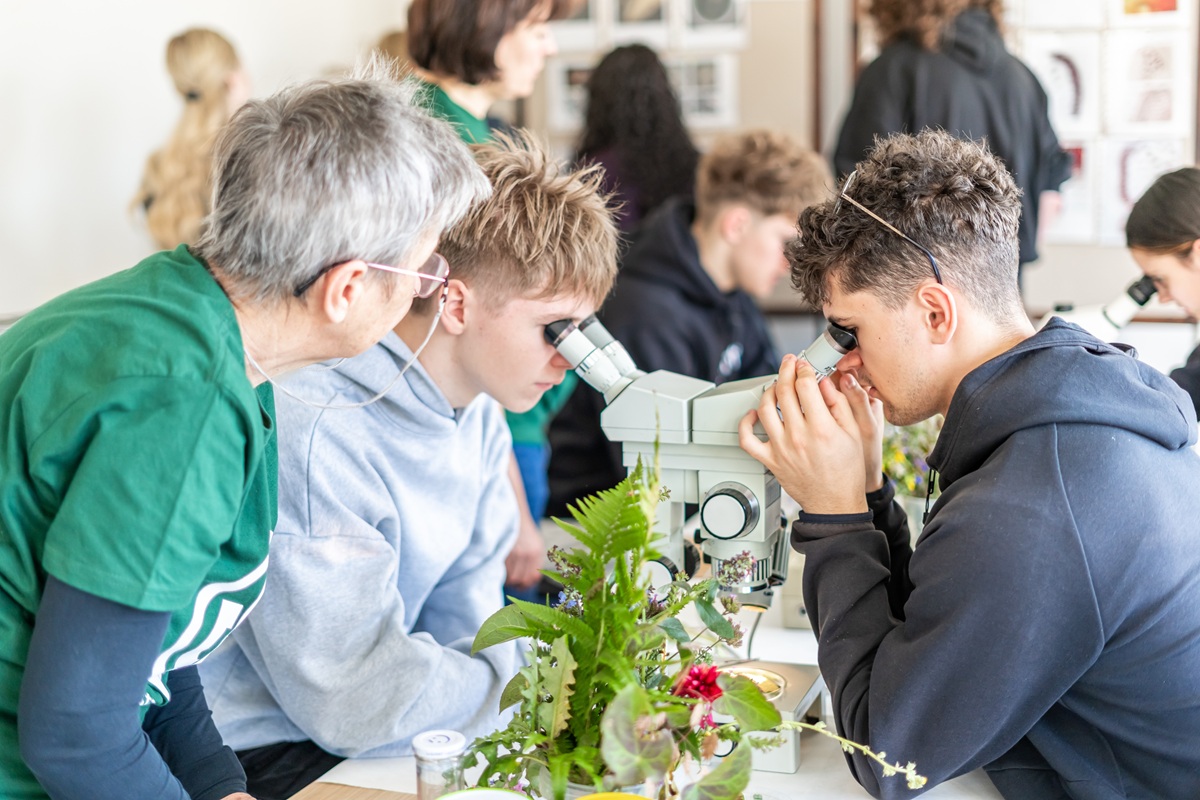
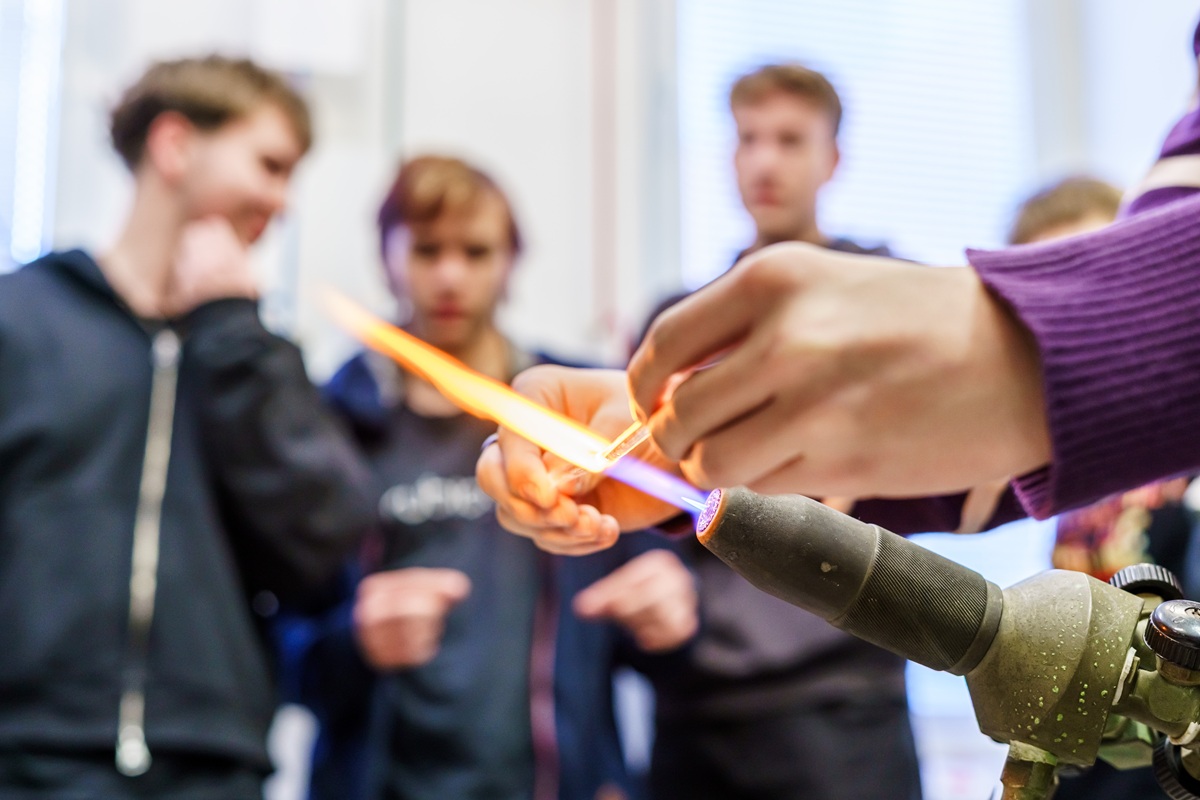
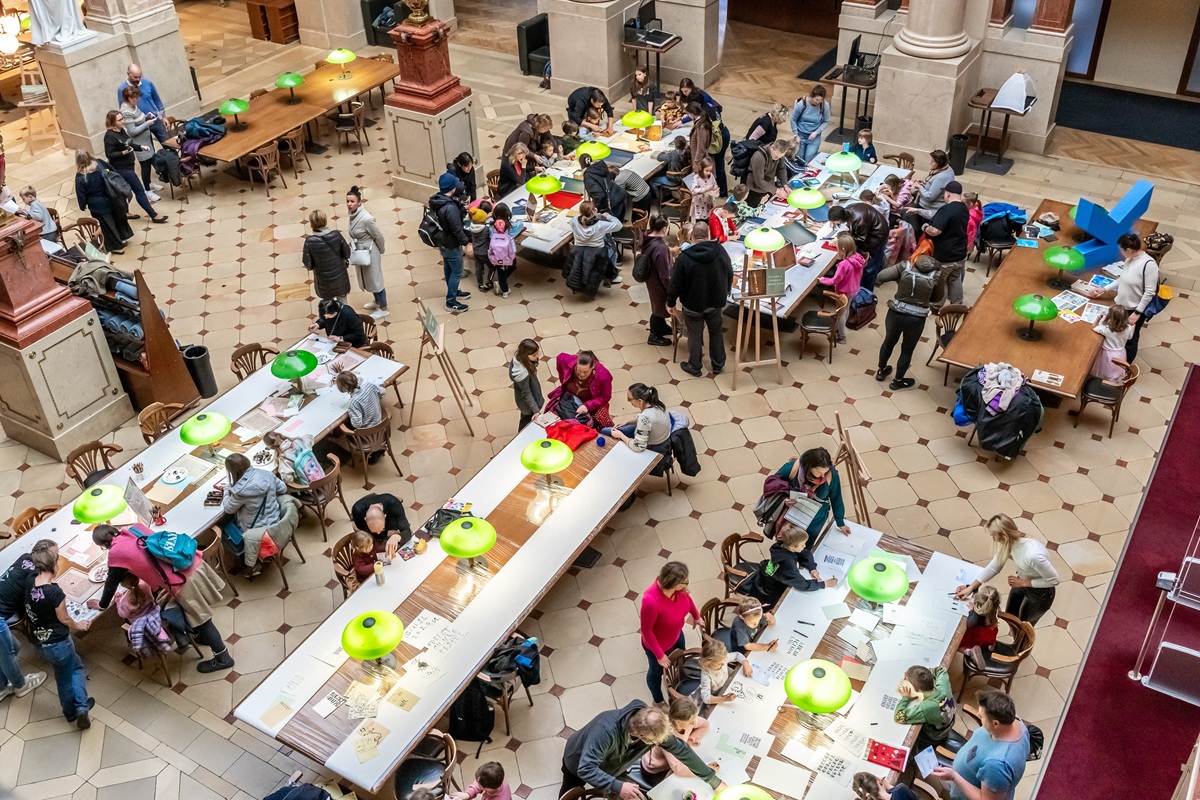
The sixth annual Week of the Czech Academy of Sciences, held from 2 to 8 November 2026, brought over three hundred science popularisation events to locations throughout the Czech Republic, from Prague to Ostrava. Spanning more than fifty research institutes across the natural, technical, humanities, and social sciences, the festival offered open days, lab tours, and a varied accompanying programme full of lectures, workshops, debates, and panel discussions – all free of charge.
The aim of this year’s edition was not only to bring science closer to the public, but also to offer visitors an opportunity to meet researchers – people who dedicate themselves to science every day and pass their enthusiasm on to all festivalgoers. They are the inspiration behind this year’s festival motto: “Science from the Heart”.
“Behind every research project are real people, their ideas, questions, and passion for what they do. During the Week of the Czech Academy of Sciences, visitors can meet them in person at our institutes and see science through their eyes. I believe it is precisely these personal encounters that show why science can truly capture someone’s heart,” said Soňa Ehlerová, member of the Academy Council and Chair of the Council for Academic Media and Popularisation of the CAS, expanding on this year’s motto.
OPENING AT THE SCENE OF DISCOVERY
The 2026 festival opened at a research site shared by the Academy’s Institute of Geophysics, the Astronomical Institute, and the Institute of Atmospheric Physics in Prague’s Spořilov district.
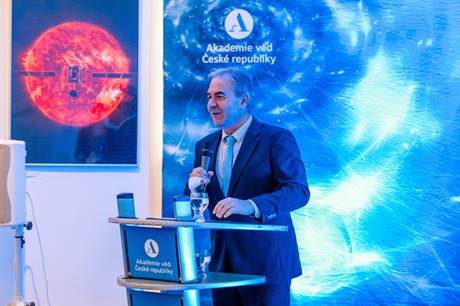
CAS President Radomír Pánek opened the festival on Monday, 2 November.
“For the first time, the opening is not taking place at the headquarters on Národní, but at one of our research complexes – right where the action is, so to speak, and where science actually happens, curious questions are asked, experiments are prepared, and new knowledge is born,” said CAS President Radomír Pánek during the ceremony. He also stressed that making research accessible to the public strengthens societal resilience against disinformation, adding that “sharing and clearly explaining knowledge is part of every scientific institution’s responsibility”.
At the Spořilov campus, the host institutes showcased exhibits and research demonstrations. The afternoon also featured the panel discussion One Planet, Three Perspectives: How to Understand the Climate, which examined climate change from three distinct viewpoints – looking at both its natural variability and human impact.
FROM SPACE TECH TO ONLINE TROLLS
Meanwhile, the Academy’s headquarters on Národní Street hosted a rich programme for schools and the general public, featuring exhibitions, talks, live podcast recordings, and debates. Highlights included sessions on Czech space technology (The Academy of Sciences in Space), the role of doubt in research (Science Is Not an Opinion), youth mental health (Fragile or Resilient), and online disinformation (Science vs. Trolls).
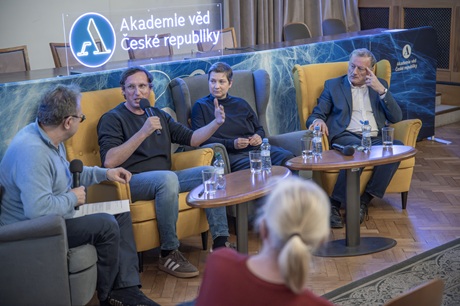
Tomáš Koblížek, Paulína Tabery and Jan Konvalinka at the Science vs. Trolls debate.
Individual institutes also hosted events dedicated to specific areas of research: visitors learned about progress towards ending the HIV epidemic at the Institute of Organic Chemistry and Biochemistry, explored medieval chess with the Institute of Philosophy, and saw how rock samples are analysed at the Institute of Geology.
BEHIND CLOSED LABORATORY DOORS
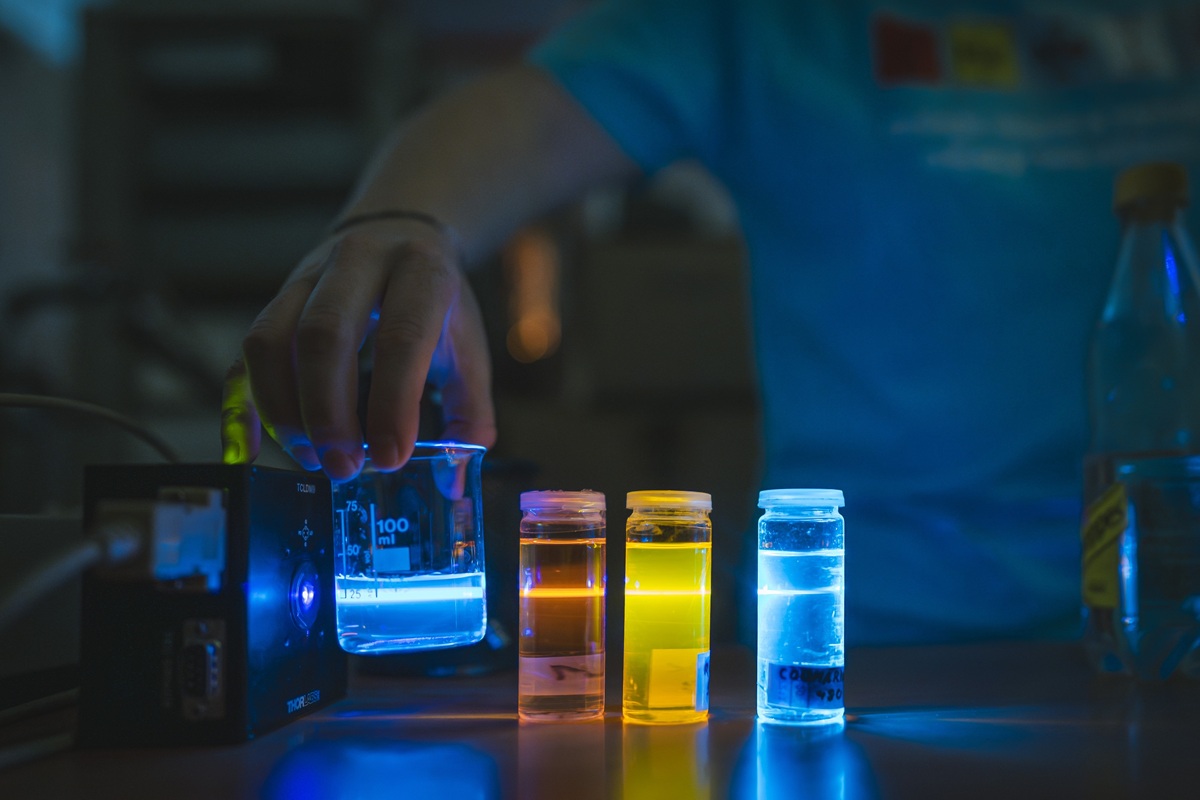
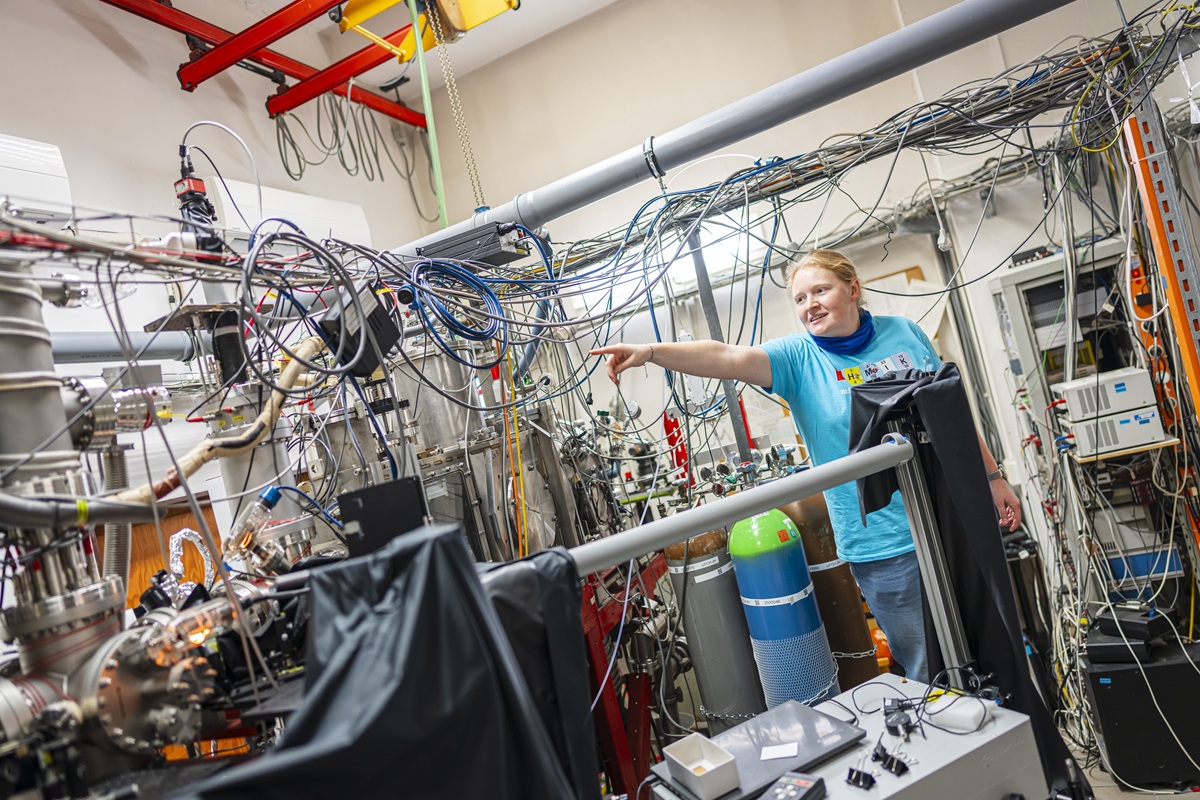
Tours of laboratories, archives, and facilities normally closed to the public were once again among the festival’s most popular events. Guests explored the world of photons and electrons at the Institute of Photonics and Electronics, toured the TOPTEC special optics centre at the Institute of Plasma Physics, and tried practical conservation techniques at a workshop hosted by the Prague-based Institute of Archaeology.
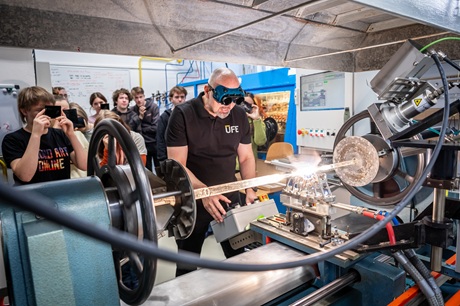
Researchers from the Institute of Photonics and Electronics put together a captivating programme for visitors.
The festival programme also extended well beyond Prague. In Brno, Štatl ScienceHub welcomed visitors of all ages for a history workshop as well as talks on archaeology, biology, and citizen science. A screening of the documentary Cena za snadnost (The Cost of Convenience) at Kino Art inspired a lively debate on the role of artificial intelligence in our lives.
In Olomouc, the Institute of Experimental Botany offered laboratory tours focused on plant DNA and teamed up with the Institute of Physics for a session on genomes, light, and plant hormones. The Institute of Botany in Průhonice hosted Fascinated by Orchids, a photography exhibition at Galerie Natura showcasing the diversity of these plants. Visitors to the Institute of Animal Physiology and Genetics in Liběchov learned about model organisms used in genetics and developmental biology, while events in Ostrava examined local history and urban life, exploring the legacy of coal mining and the transformation of allotment gardens.
Based on articles by: Marek Todorov, Jana Kuřátková, and Tereza Hyská, External Relations Division, CAO of the CAS
Adapted and translated by: Aneta Ryntová, External Relations Division, CAO of the CAS
Photo: Pavlína Černoch Jáchimová, Tereza Hyská, External Relations Division, CAO of the CAS; Week of the Czech Academy of Sciences archive
 The text and photos marked CC are released for use under the Creative Commons licence.

Read also
- New Cobalt Irradiator to Aid Radiobiology and Space Research
- Czech Academy of Sciences to Support Groundbreaking Research by Nine Scientists
- Cartilage, Step on the Gas: New Treatments for Rare Growth Disorders
- Water Is Not Enough for Settlement. Stone Was Equally Important
- A / Magazine: Toxins, Languages, and Lightning on Jupiter
- ERC-funded CLOSER Project Highlights the Middle East and North Africa Region
- Bernard Bolzano: An Inconvenient Genius Ahead of His Time
- Our Health in the Hands of AI: How to Regulate It and What to Watch Out For?
- CAS Condemns Attack on National Academy of Sciences of Ukraine
- New CAS Program Already Has First ERC Grant Winners to Its Credit
The Czech Academy of Sciences (the CAS)
The mission of the CAS
The primary mission of the CAS is to conduct research in a broad spectrum of natural, technical and social sciences as well as humanities. This research aims to advance progress of scientific knowledge at the international level, considering, however, the specific needs of the Czech society and the national culture.
President of the CAS
Prof. Radomír Pánek started his first term of office in March 2025. He is a prominent Czech scientist specializing in plasma physics and nuclear fusion.