
Better ECGs and Industrial Superlasers – Real-World Results of CAS Research
02. 03. 2026
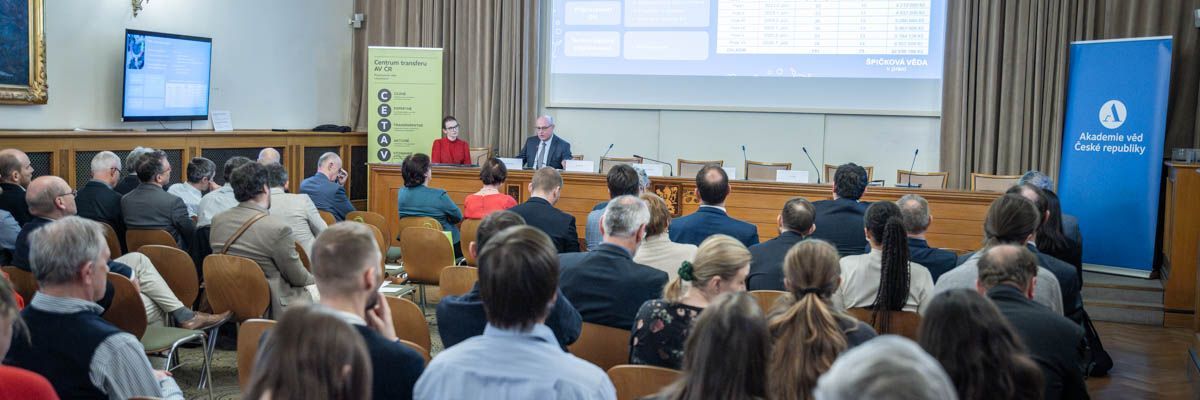
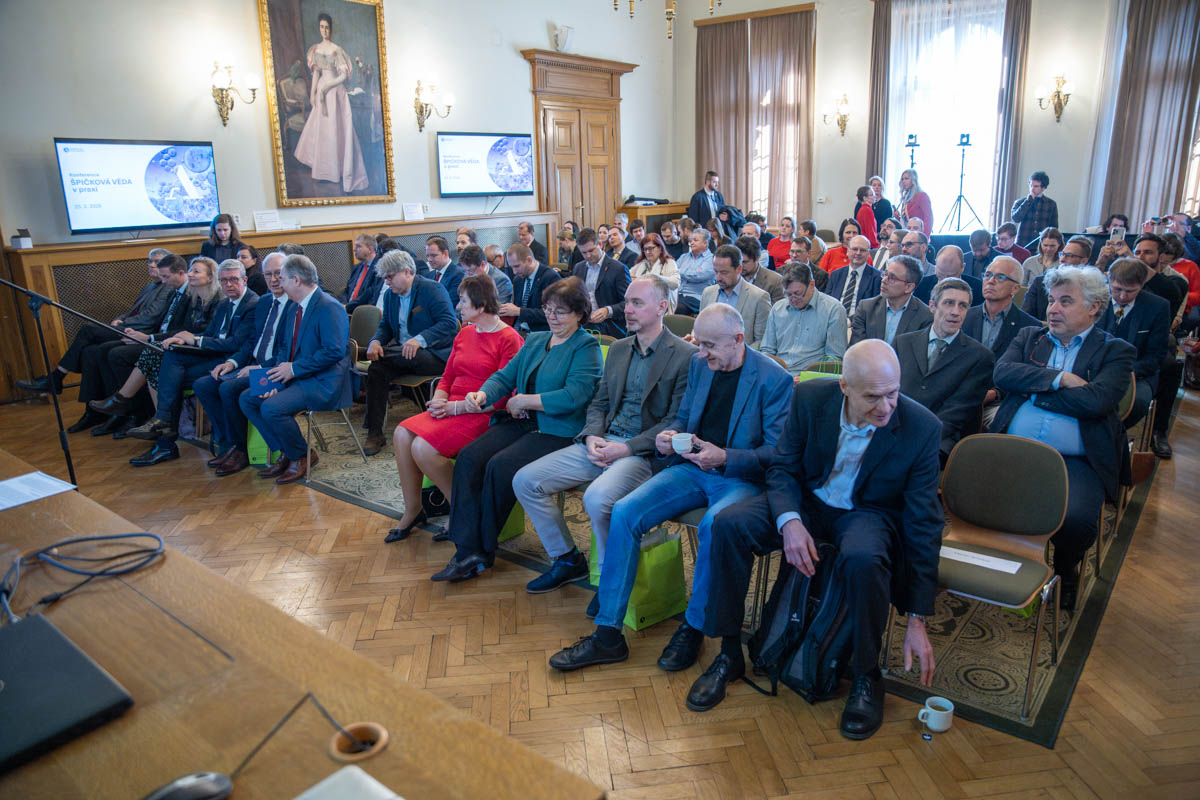
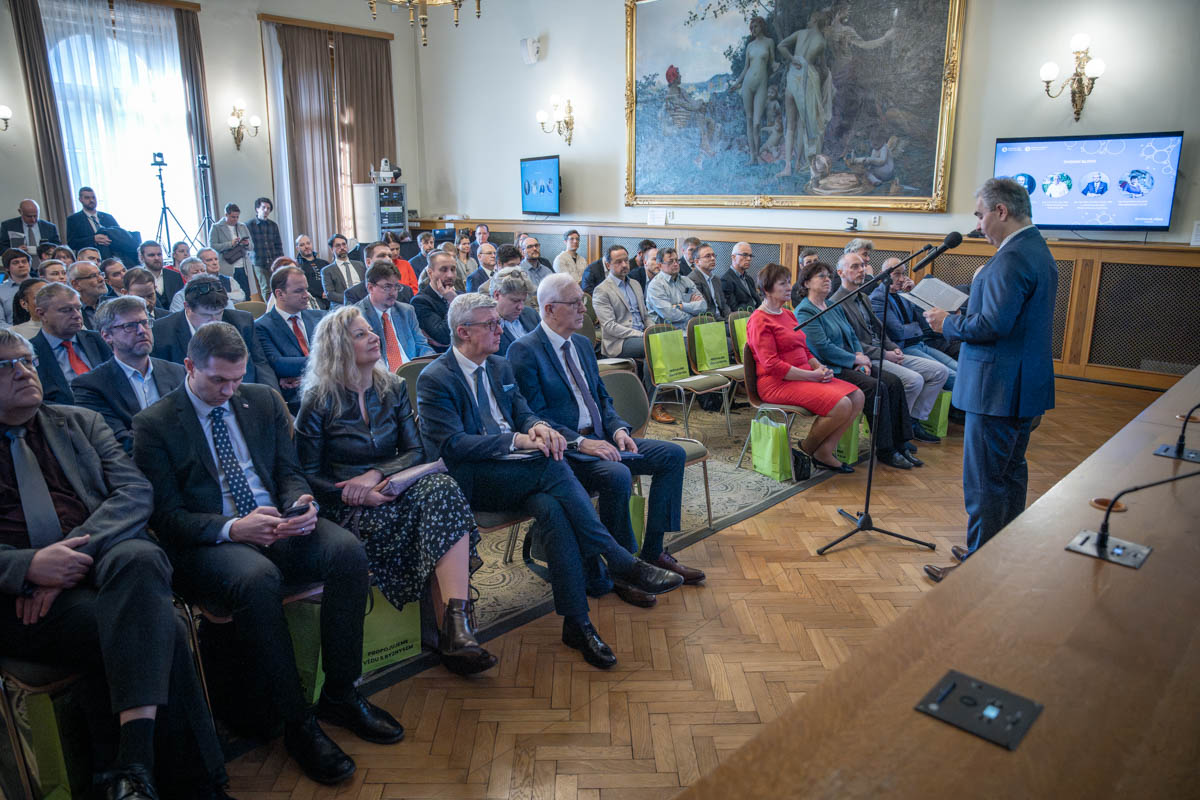
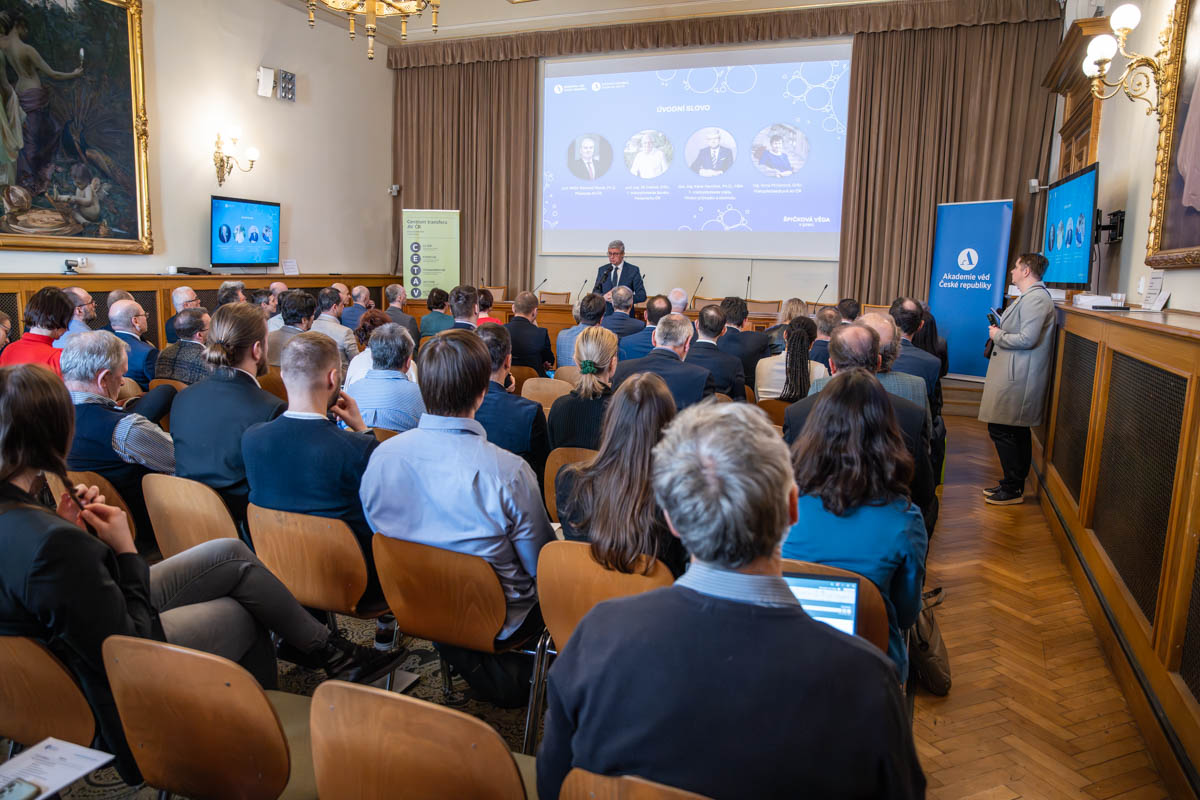
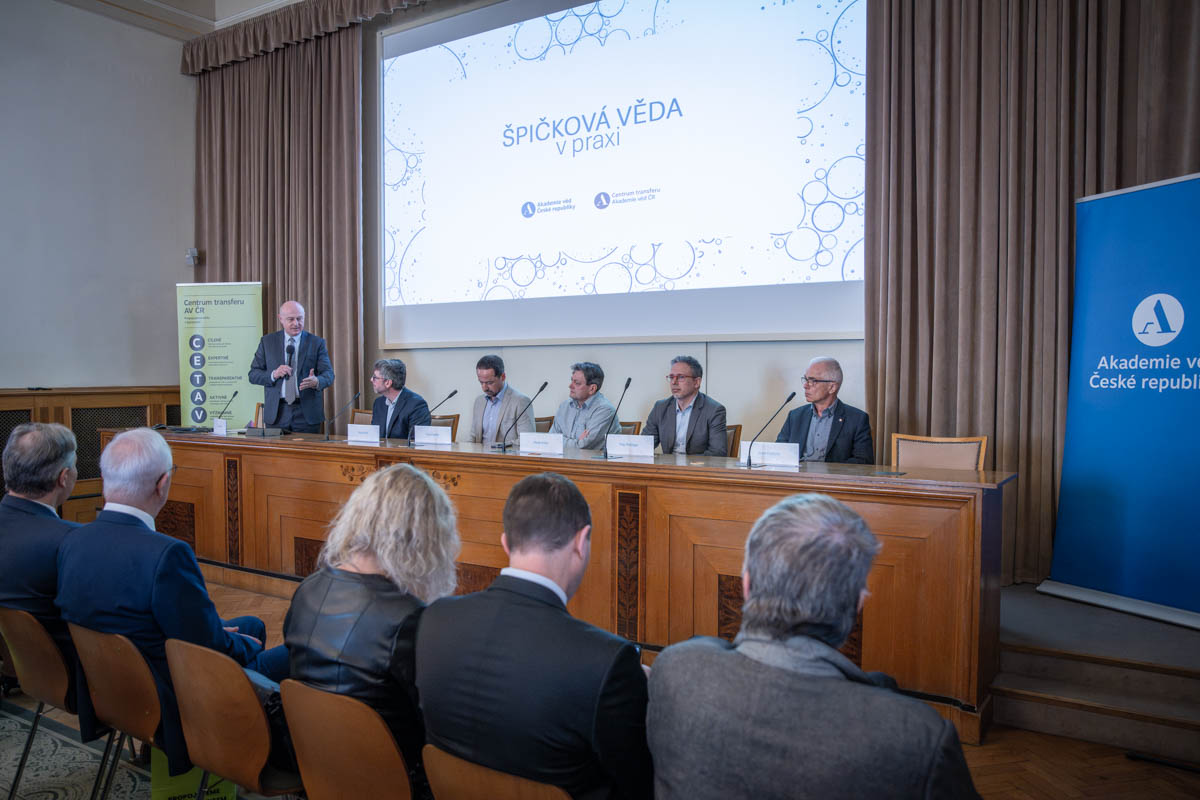
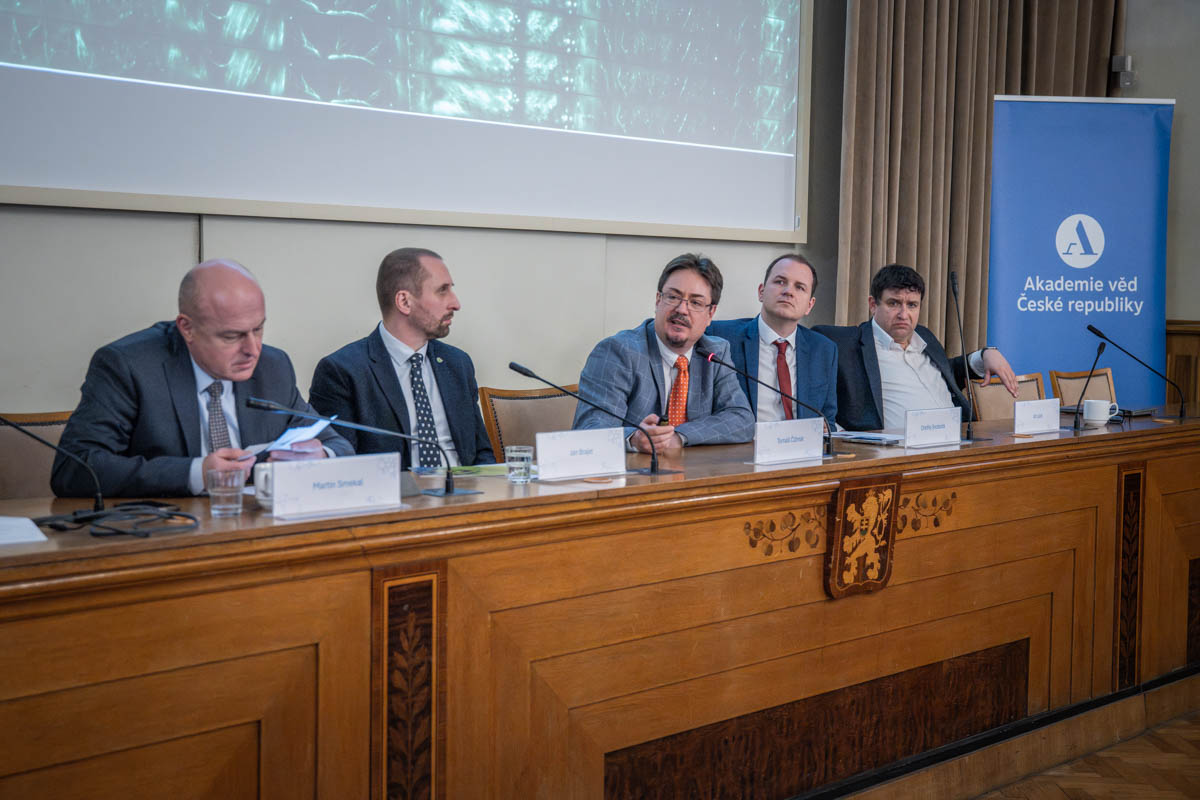
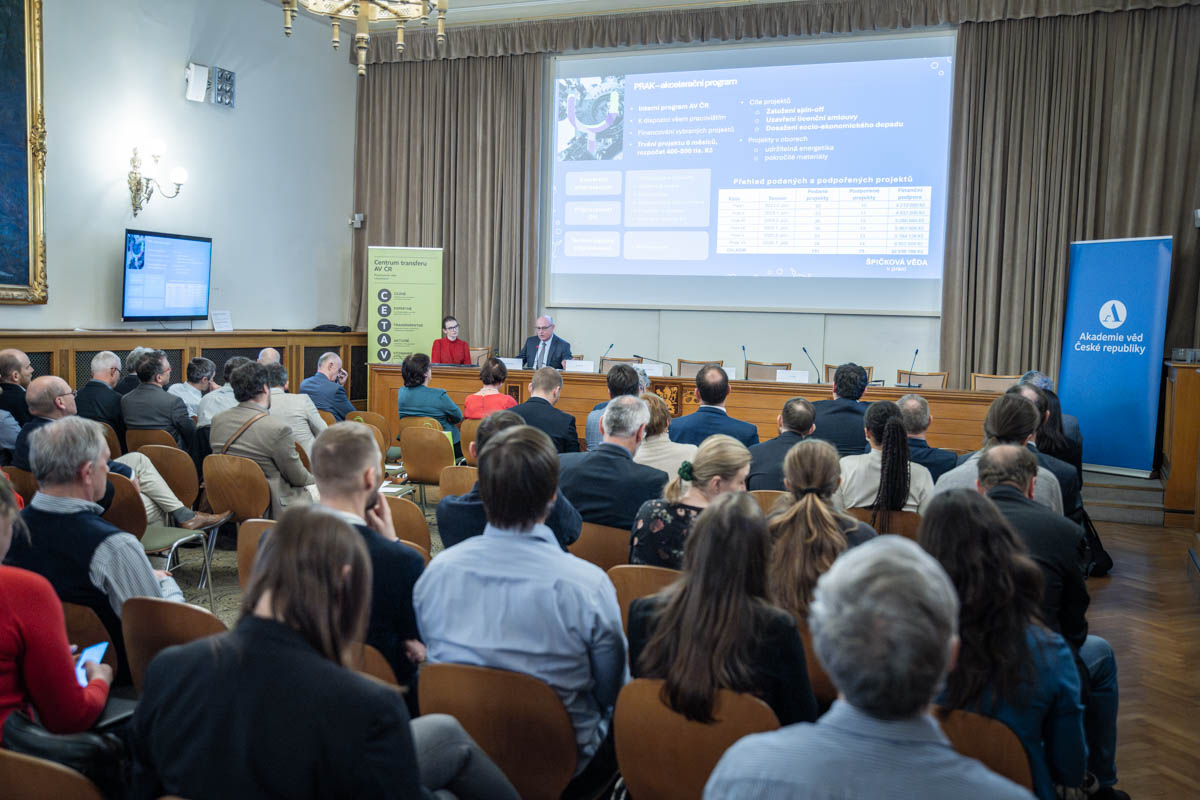
The Czech Academy of Sciences is the country’s leading research institution and a powerhouse of basic research. Increasingly, however, it is also working to translate research results into real-world practice. In recent years, a number of spin-off companies and start-ups have emerged from its institutes. Promising instances of knowledge and technology transfer were presented at the conference Top Research in Practice, held on 25 February 2026 at the CAS headquarters in Prague.
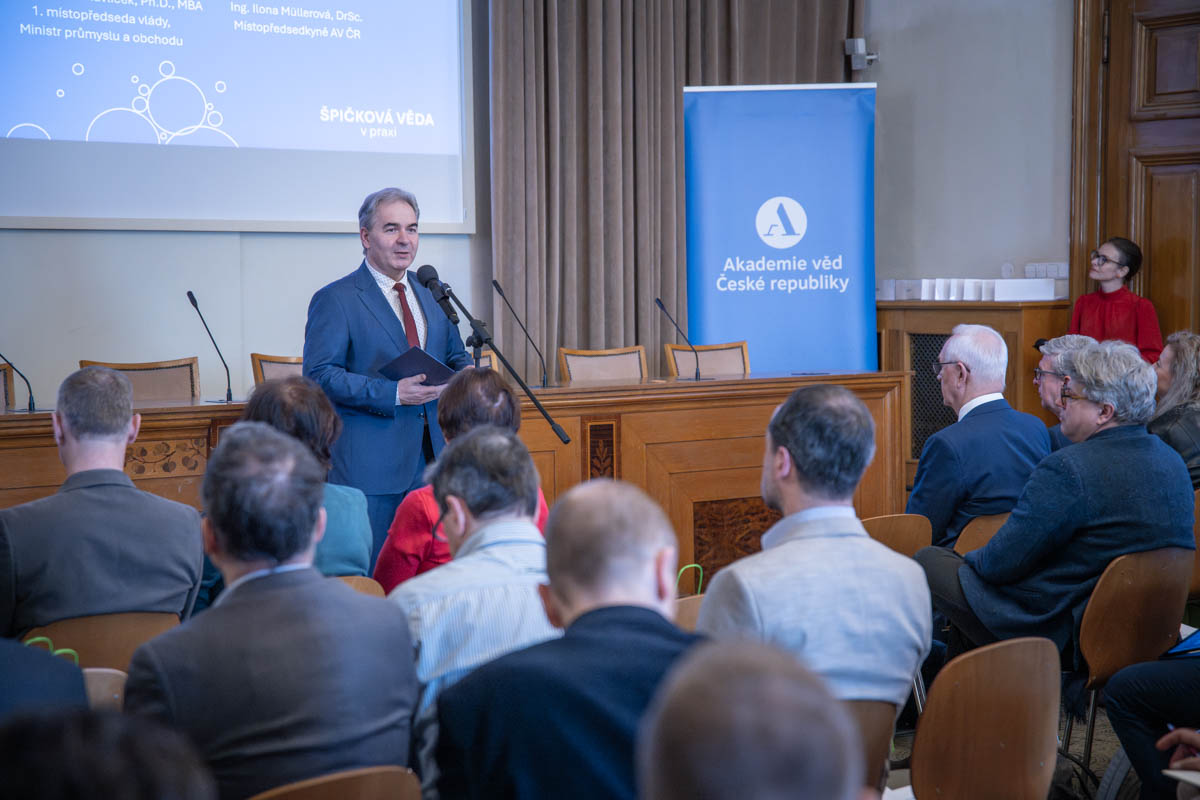
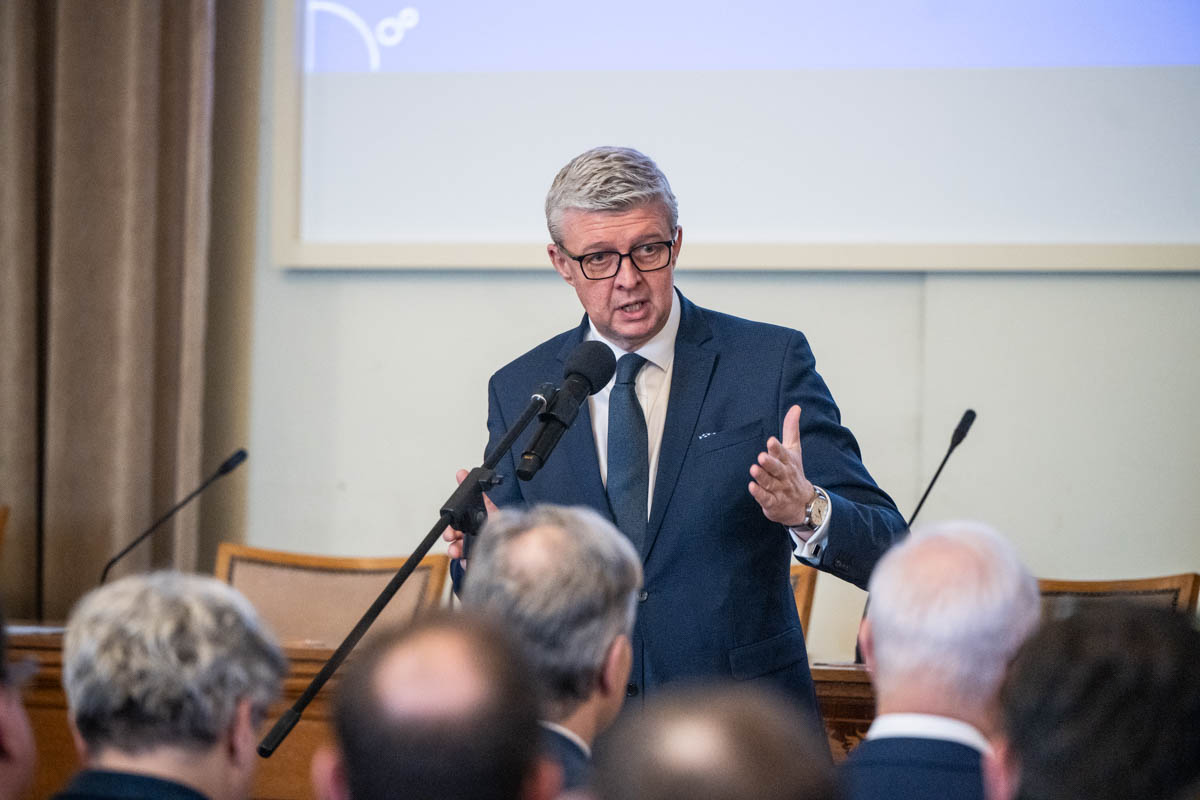
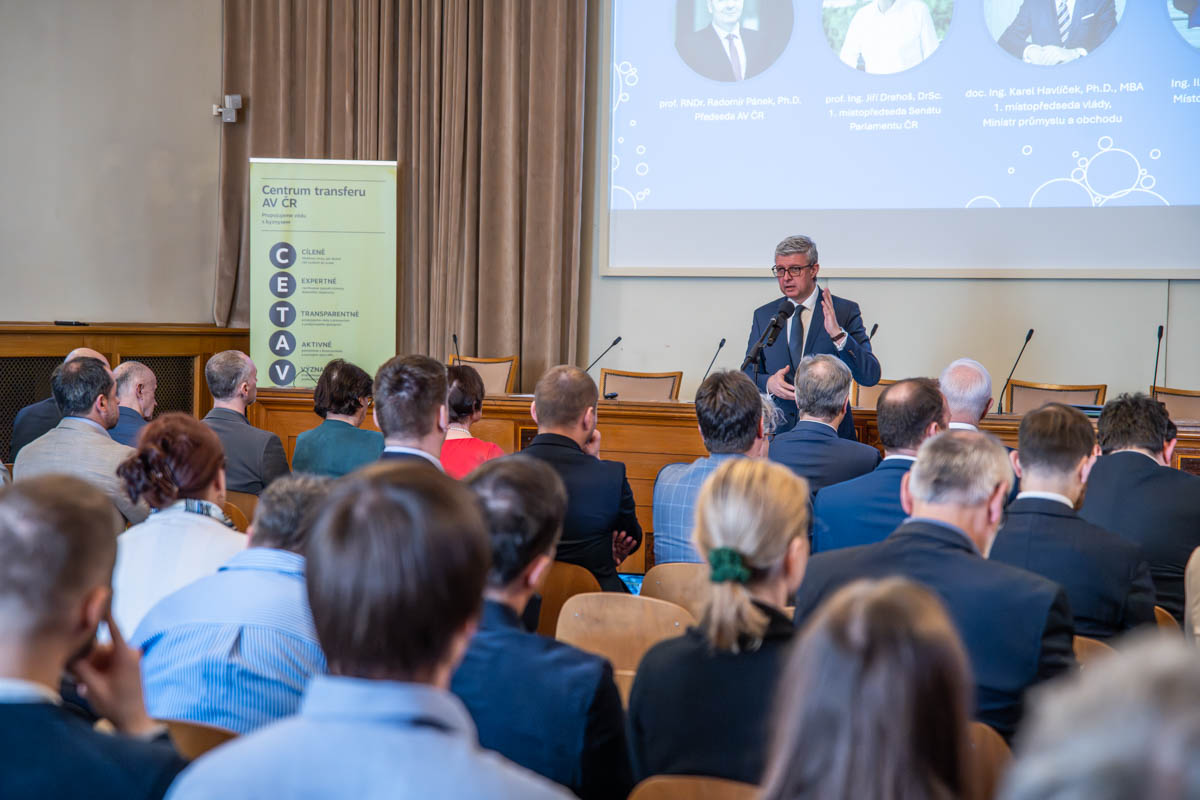
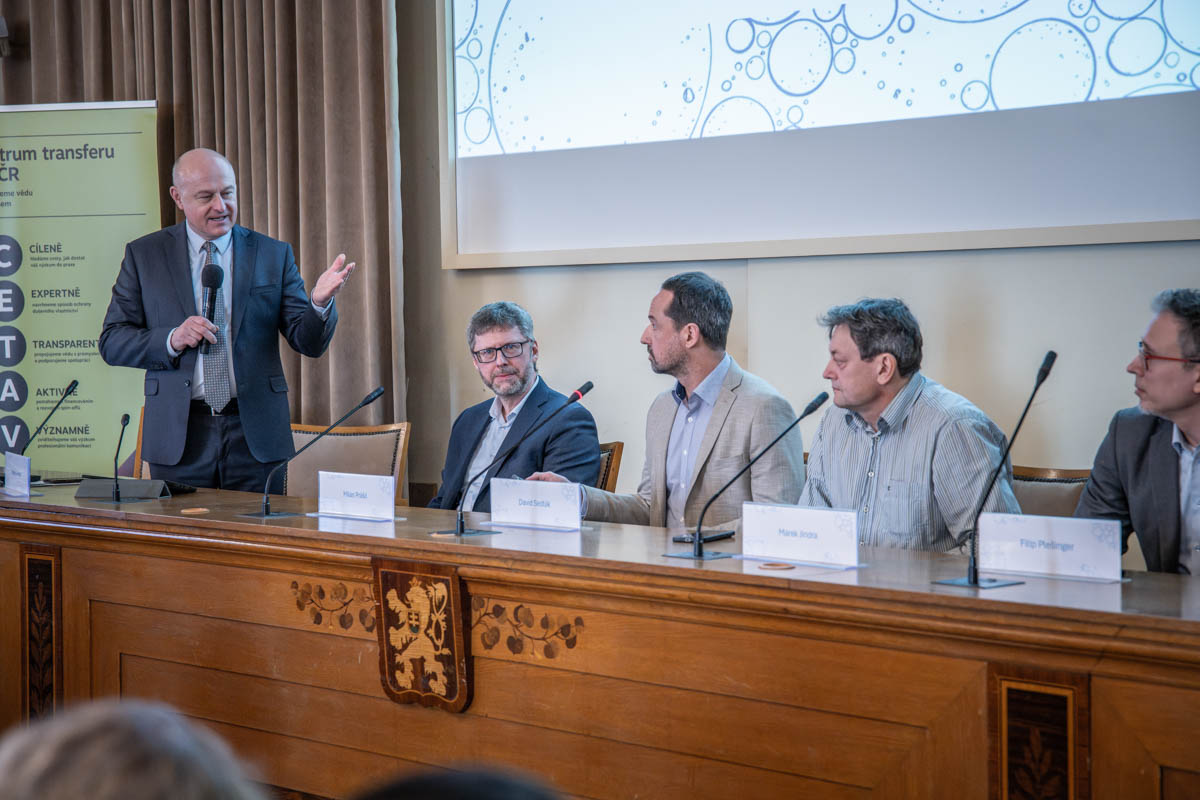
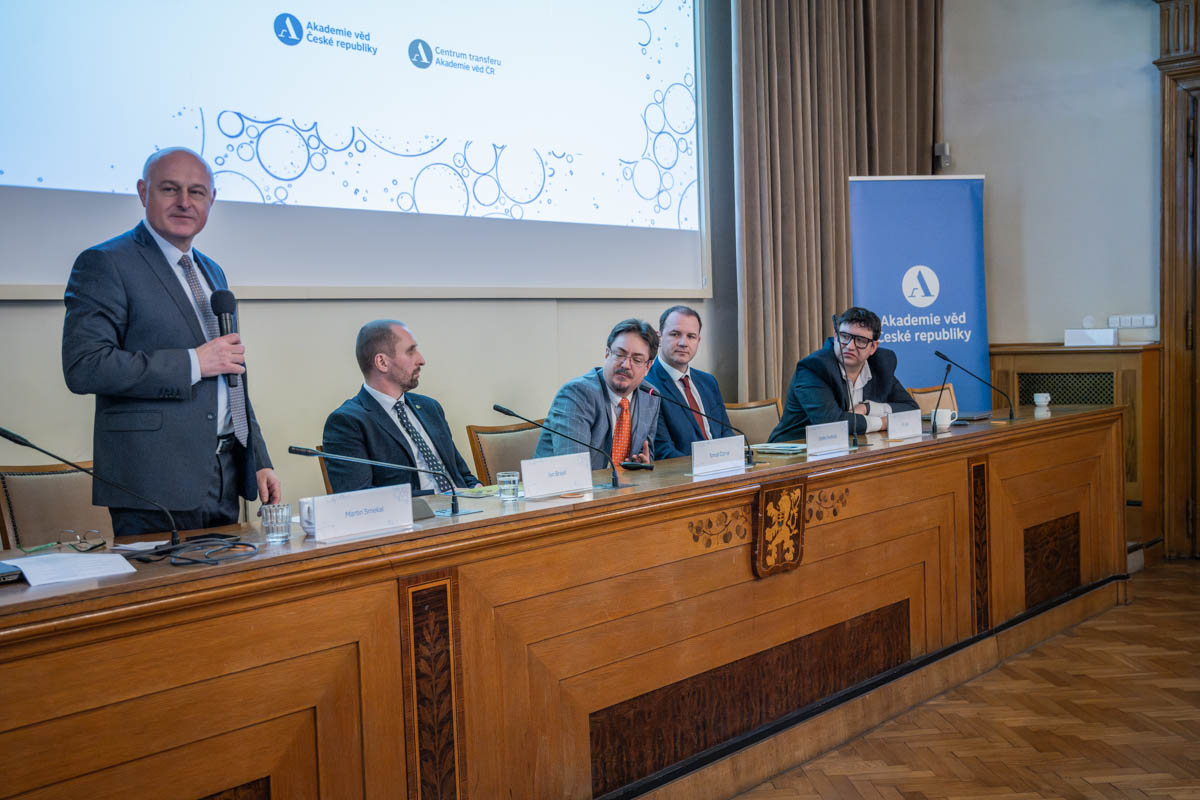
The conference was opened by the CAS President, Radomír Pánek, who introduced the newly established joint-stock company designed to streamline the transfer of scientific results into practice.
“It is certainly not true that the Czech Academy of Sciences is closed to applications. On the contrary – in recent years it has significantly strengthened its transfer activities, cooperation with industry and public administration, and is deliberately creating tools that make it possible to translate research results into practice,” Pánek said. “Our ambition is for the Academy to remain a place where new knowledge is created and where it is transformed into real value for society,” he added.
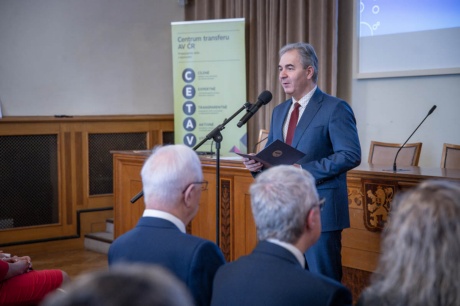
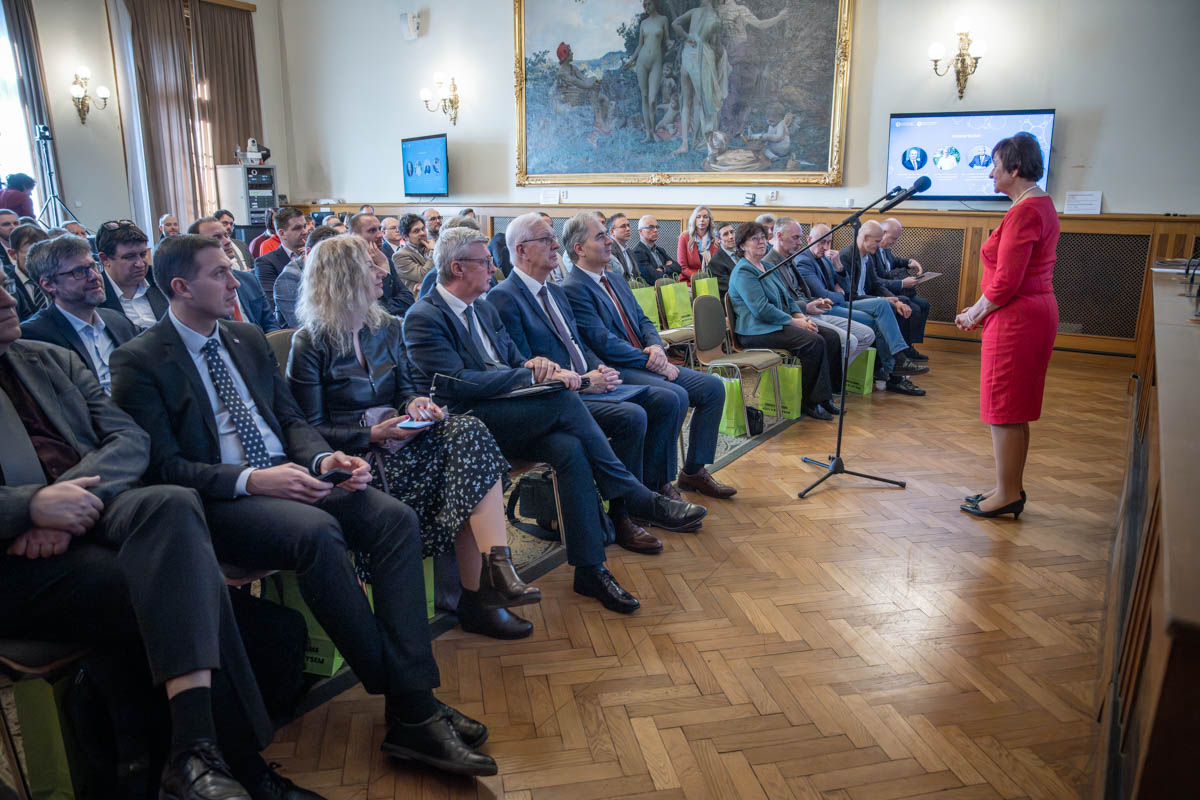
The CAS President, Radomír Pánek, introduced the newly established joint-stock company at the opening of the conference.
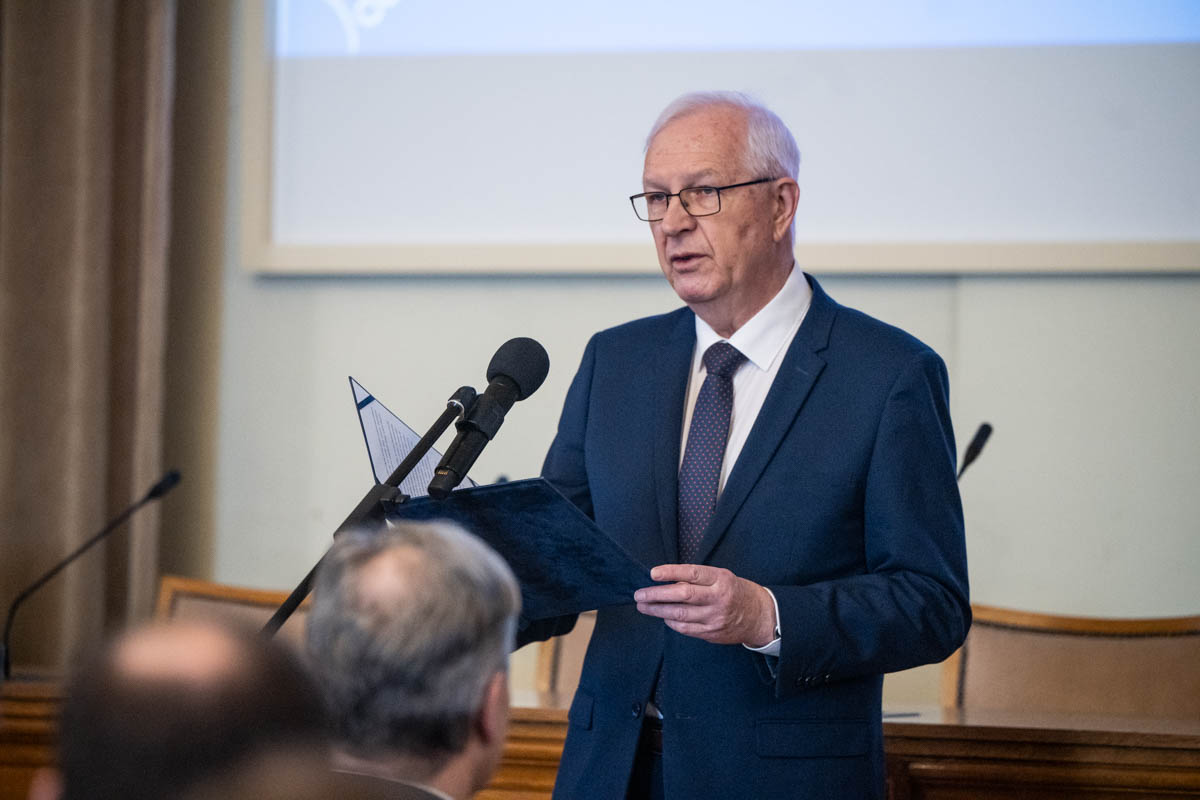
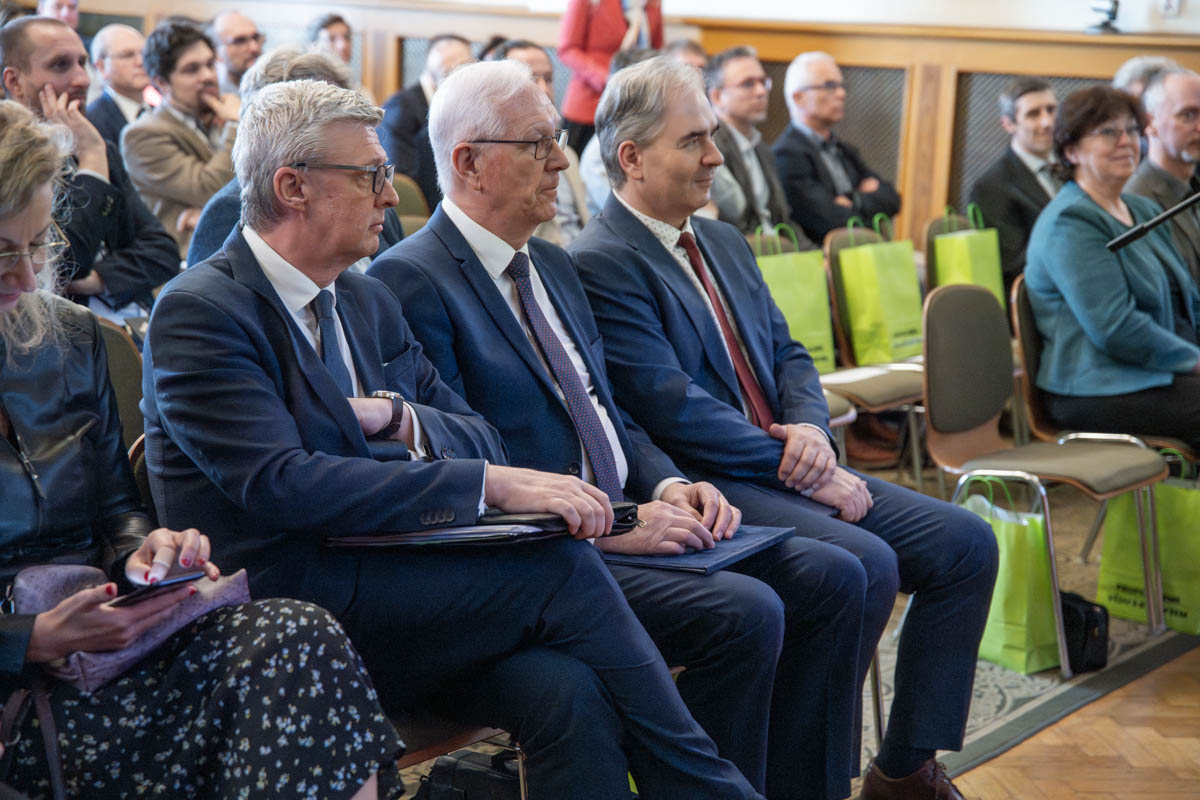
He was followed by the First Vice-President of the Senate of the Parliament of the Czech Republic, Jiří Drahoš, who, during his tenure as CAS President from 2009 to 2017, stood at the inception of several application-oriented initiatives. A major milestone was the implementation of the CAS Strategy AV21 in 2015 and the subsequent establishment of the Transfer Centre of the CAS (CETAV).
“From my current position as someone who has been active in politics for some time, I can confirm that a modern state cannot function without reliable data, analyses, and expert support,” Drahoš said, urging the Czech government to increase funding for science and research.
FOLLOWING IN THE FOOTSTEPS OF ANTONÍN HOLÝ
Researchers from several CAS institutes that have founded spin-offs or start-ups in recent years also spoke at the conference. For instance, the Institute of Organic Chemistry and Biochemistry of the CAS (IOCB Prague) has extensive experience in commercializing research. Its first successful applications date back to the second half of the 20th century, and it gained major know-how in technology transfer through the antivirals (specifically anti-HIV and anti-HBV drugs) developed by Antonín Holý.
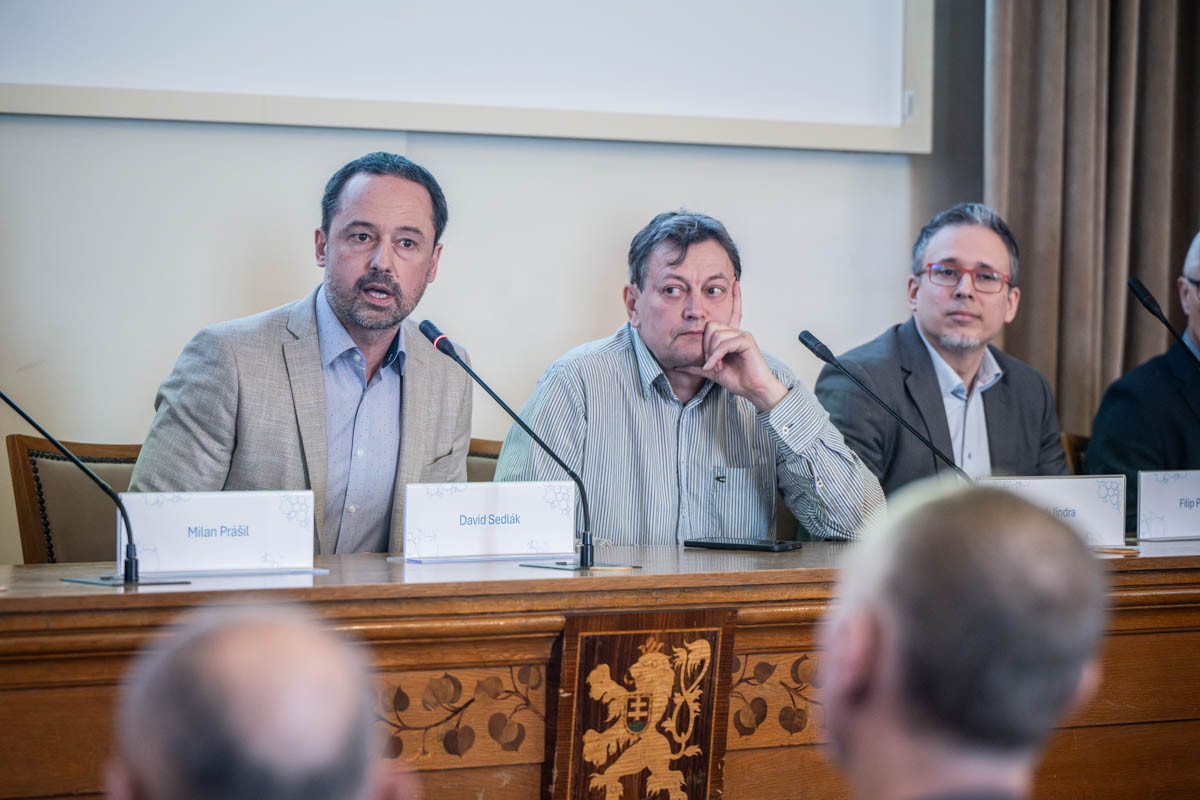
“The institute would never have achieved success if it had not had a strong partner at its side back then – the Catholic University of Leuven. It was this university in Belgium that managed to bring the development of the active compound to a stage acceptable to a commercial entity,” said Milan Prášil, Director of IOCB Tech, a subsidiary company of IOCB Prague.
Following the example of its international partners, the CAS institute decided to build its own transfer network. In 2010, it established the aforementioned IOCB Tech, whose mission is to identify promising scientific results and prepare a development strategy. Further steps are supported by the biotech incubator i&i Prague, founded in 2017, and the venture capital fund i&i BIO, co-founded by IOCB Prague in 2021.
The newest addition to the “family” of biotech transfer initiatives is PharmTheon, an IOCB Tech translational research center, founded in 2024. “This is exactly the missing piece of the mosaic we had long lacked. It consists of laboratories for the preclinical development of drugs that can prepare compounds in a way that makes them attractive to commercial partners,” Prášil explained.
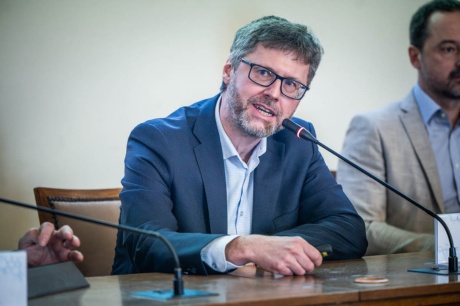
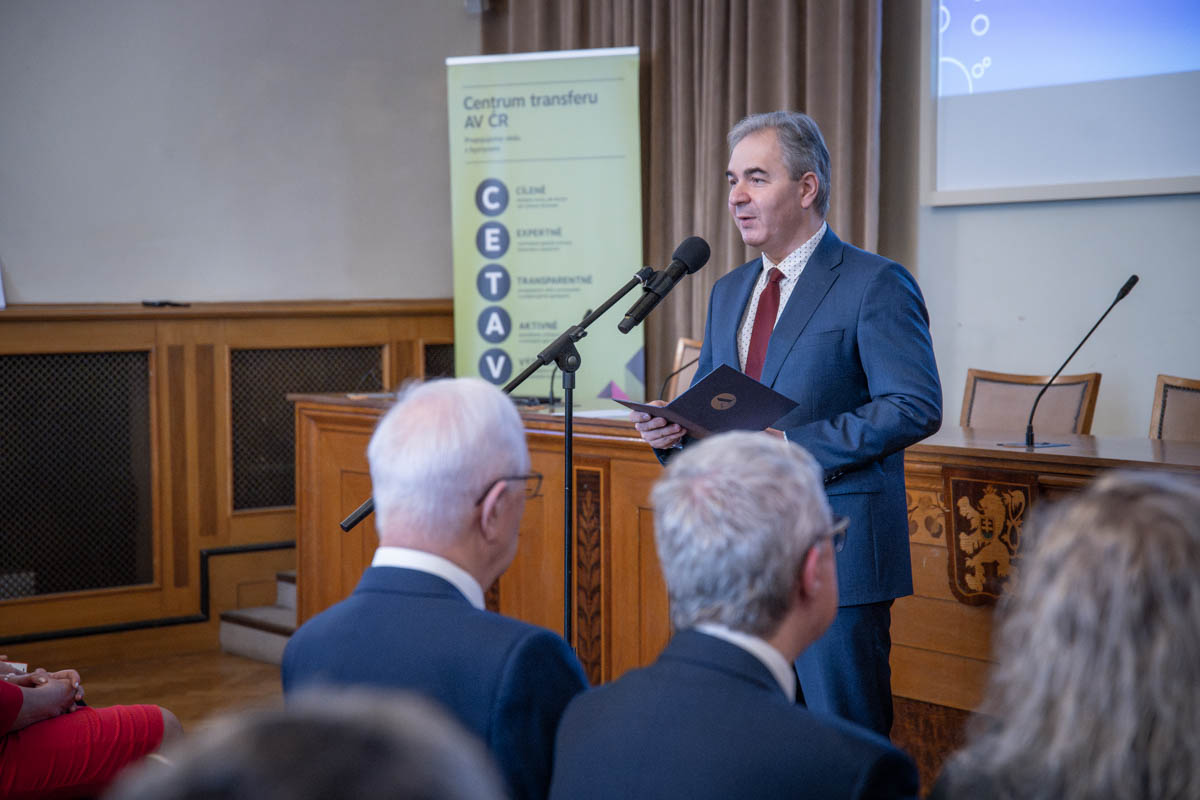
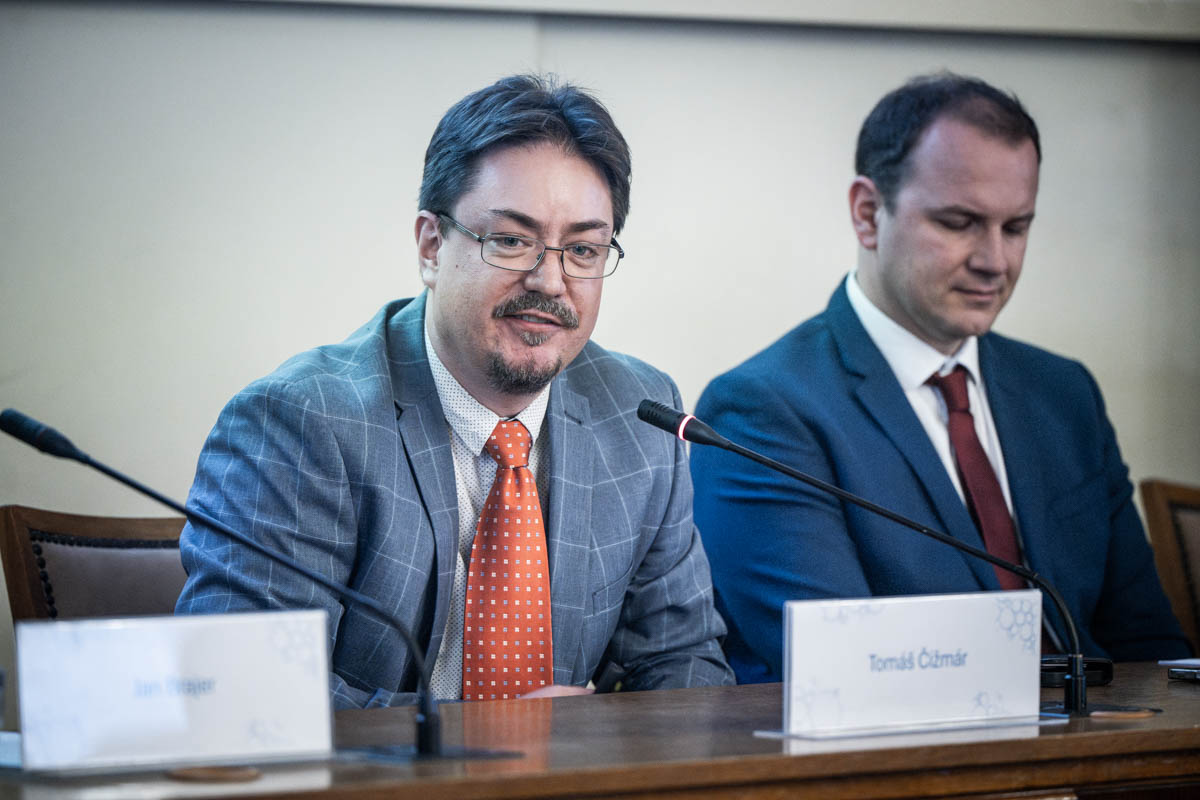
Milan Prášil became Director of the subsidiary company IOCB Tech in 2025.
ENHANCED CARDIAC DIAGNOSTICS
Other CAS institutes also have significant transfer potential. Outstanding results have been achieved, for instance, by the Institute of Scientific Instruments of the CAS in Brno. Researchers there discovered that the high-frequency components of the ECG signal carry previously overlooked information that can be used to describe the electrical activation of the myocardium. As a result, they managed to develop a method capable of extracting far more data from a standard ECG – even directly during pacemaker implantation surgery.
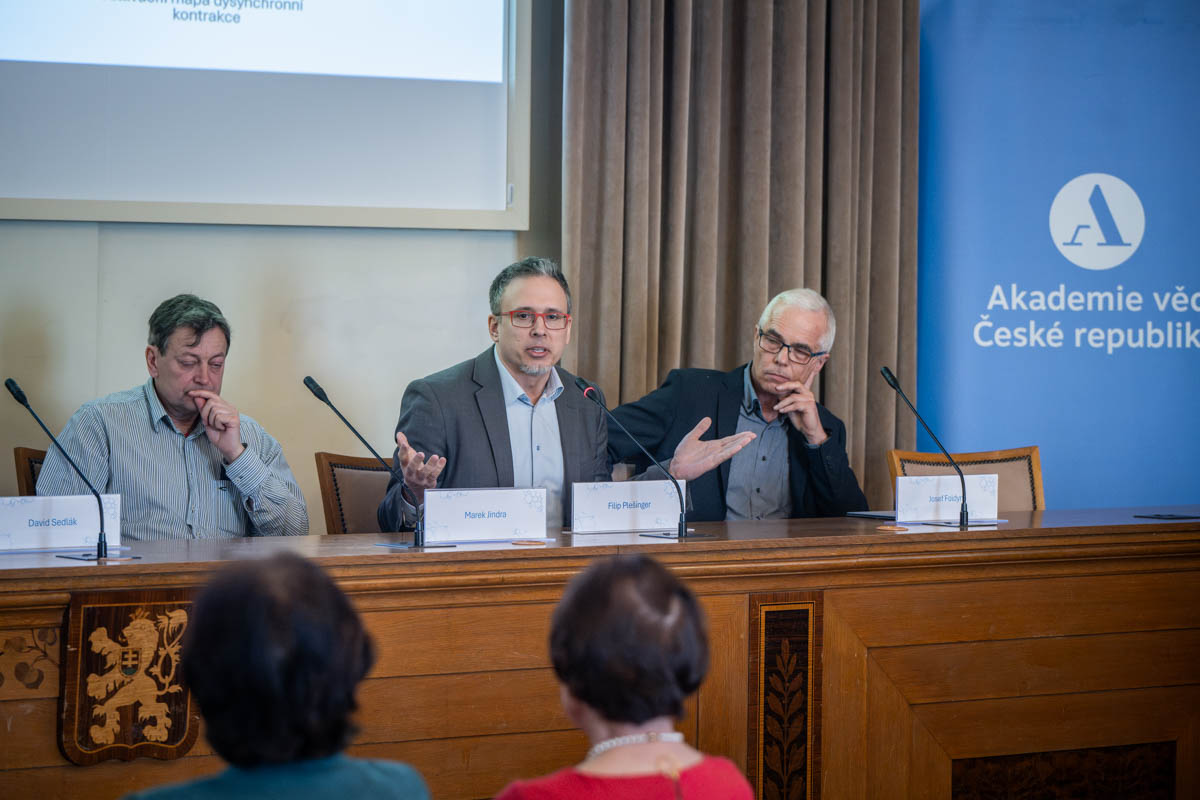
The first academic paper describing the discovery was published in 2013. Several years later, the findings were successfully replicated using independent data. The researchers established close cooperation with physicians, patented the discovery in the European Union and the United States, founded a spin-off company – VDI Technologies – and sought investors, with Cardion becoming the first. Today, their innovative technology is supplied to many European hospitals. According to Filip Plešinger from the Institute of Scientific Instruments of the CAS, it proved effective to bring in a spin-off CEO from outside the scientific community, ideally someone from the business sector.
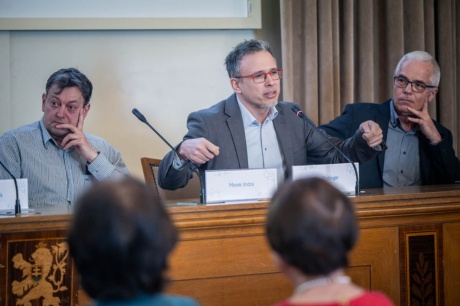
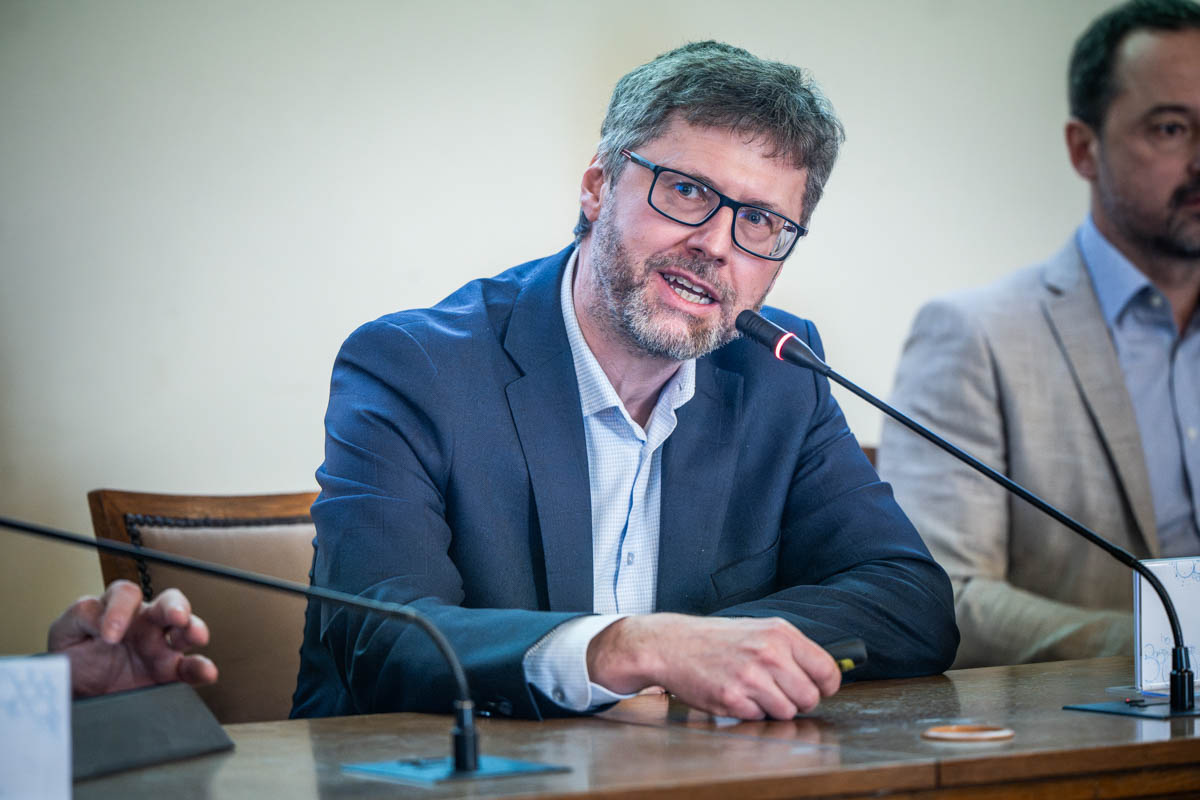
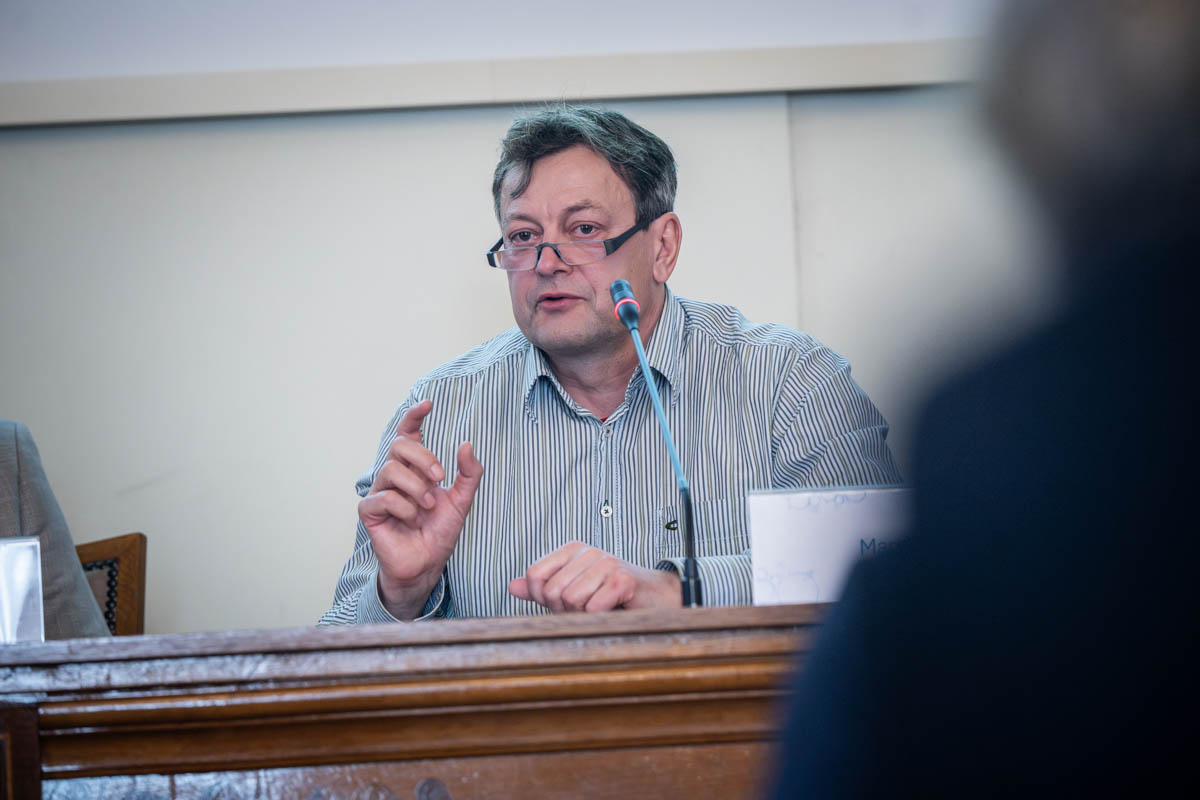
Filip Plešinger from the Institute of Scientific Instruments of the CAS.
SUPERLASERS FOR THE REAL WORLD
Experts from the HiLASE Centre at the Institute of Physics of the CAS have built close ties with industry in recent years. Among other areas, they focus on space applications and defense projects. For instance, they contribute to the production of components for F-35 fighter jets manufactured by Lockheed Martin. Cooperation with the Temelín Nuclear Power Plant has also proven promising, where lasers can be used to extend the service life of certain critical components.
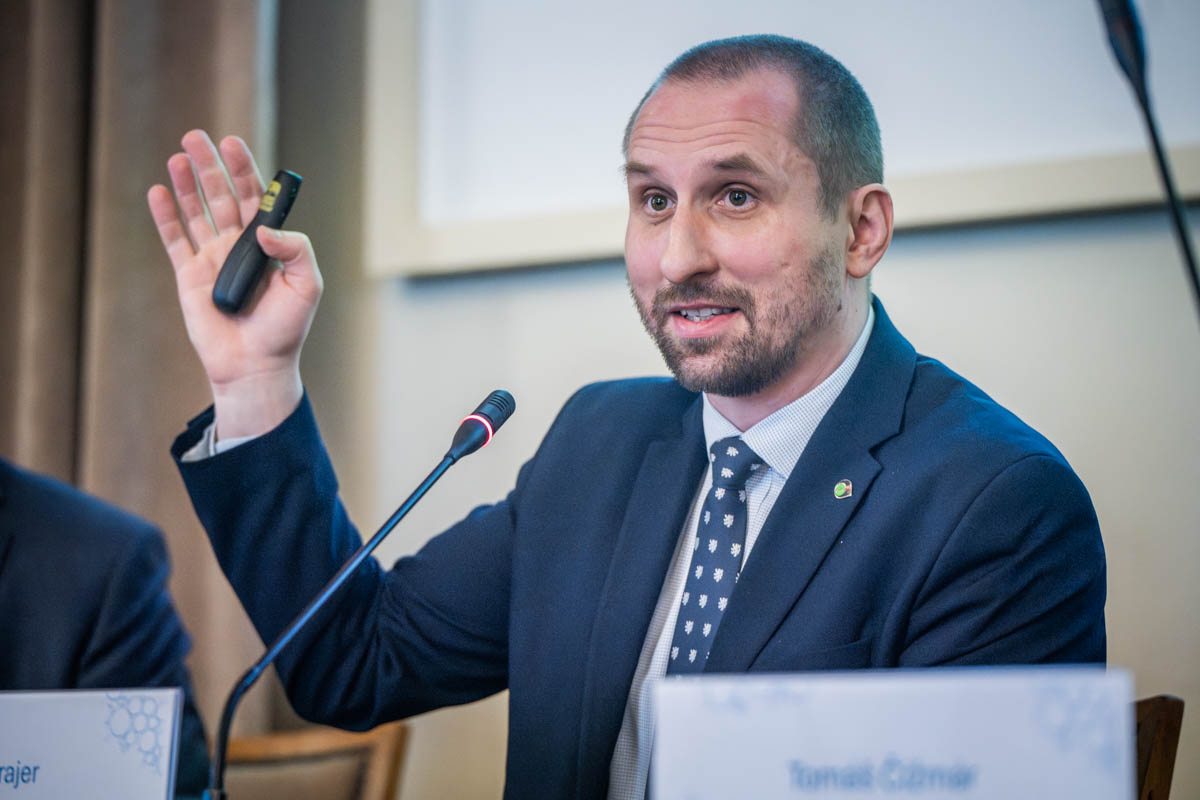
Jan Brajer from HiLASE also presented the center’s collaboration with the company LaserTherm, which led to the delivery of laser components to Brazil. Together with the companies Crytur and Lightigo, HiLASE developed a new laser product called ESTER, which can be used in ophthalmology and dermatology.
HiLASE also founded the spin-off company Hi-Beams in 2021. It focuses primarily on the automotive and energy sectors. The most recent start-up is HoloRing, founded in 2024, which offers jewelry enhanced through holographic nanostructuring.
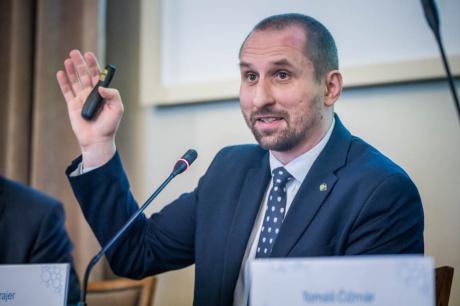
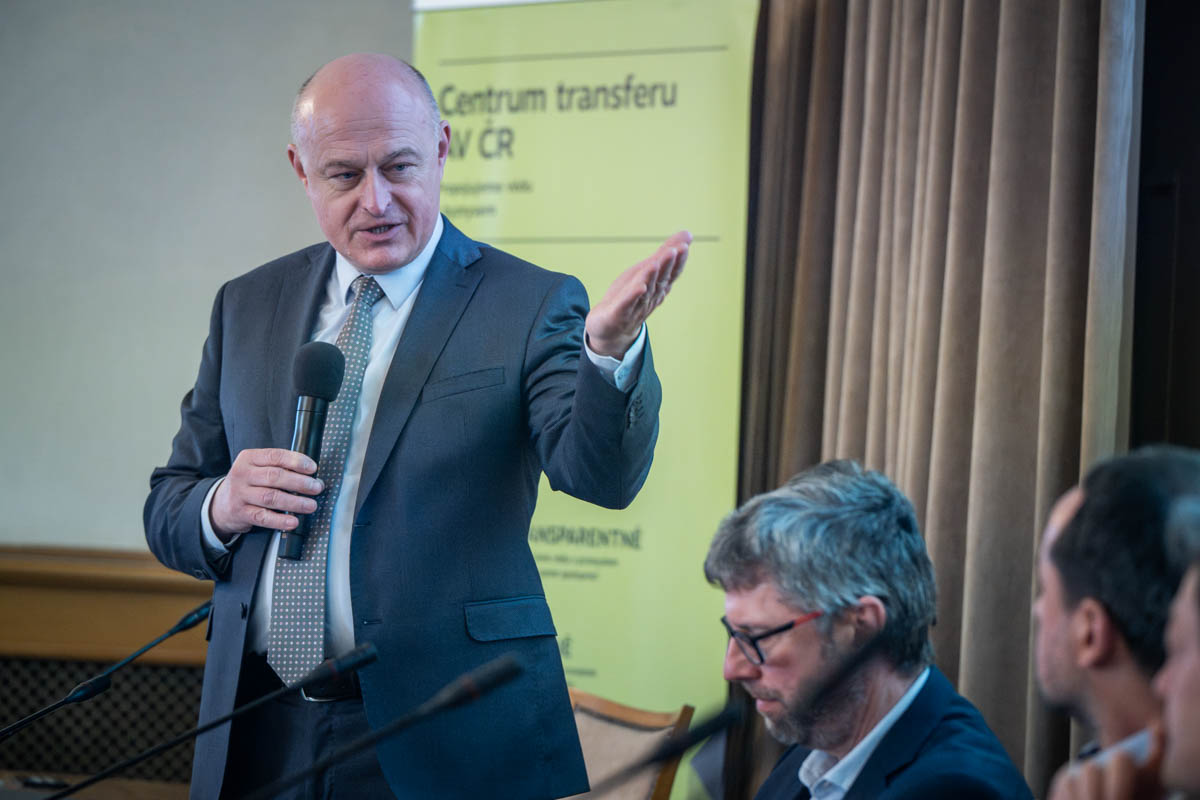
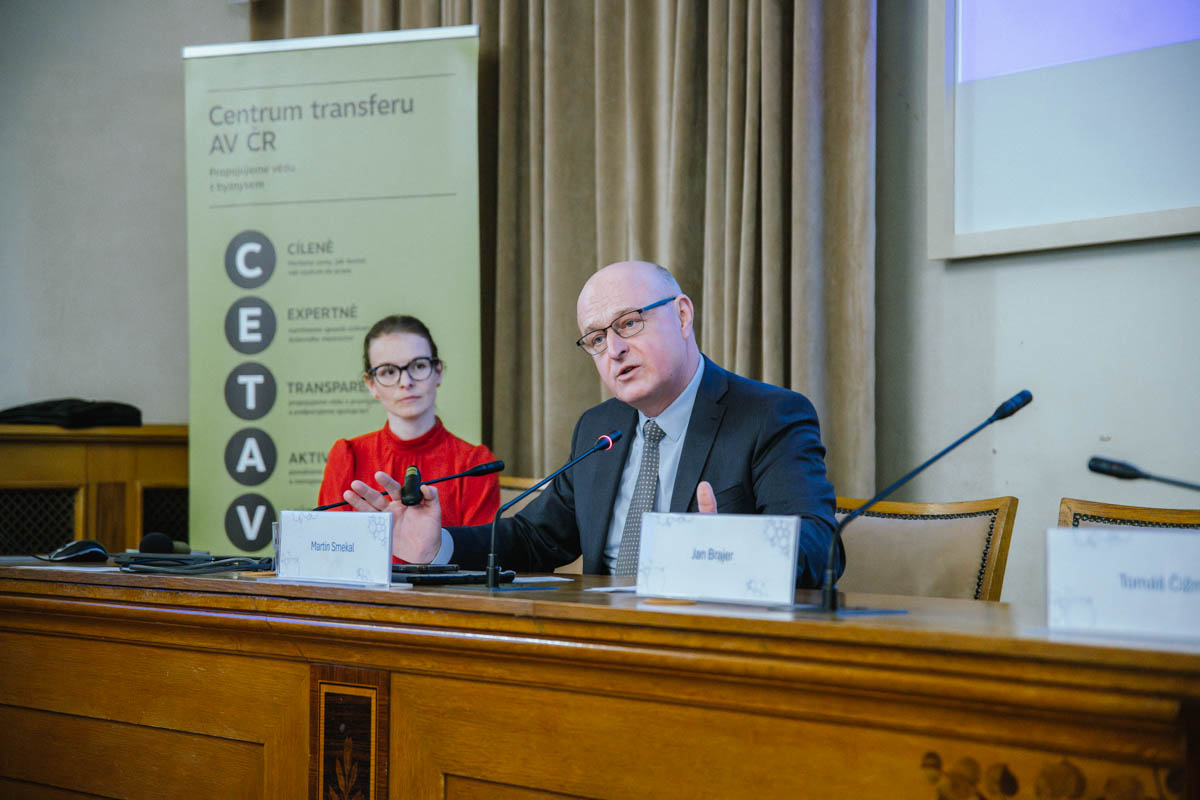
Jan Brajer presented the cooperation between the HiLASE Centre and its industrial partners.
A VISION FOR COMMERCIALIZING DISCOVERIES
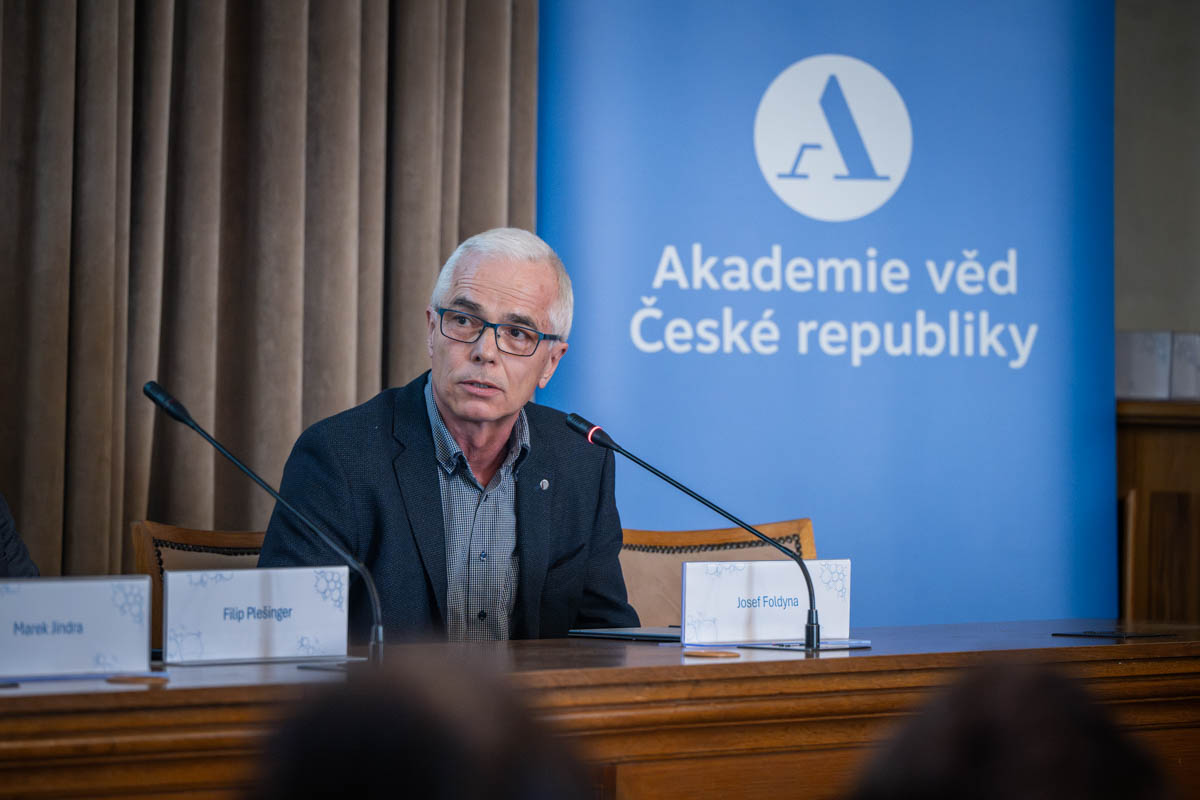
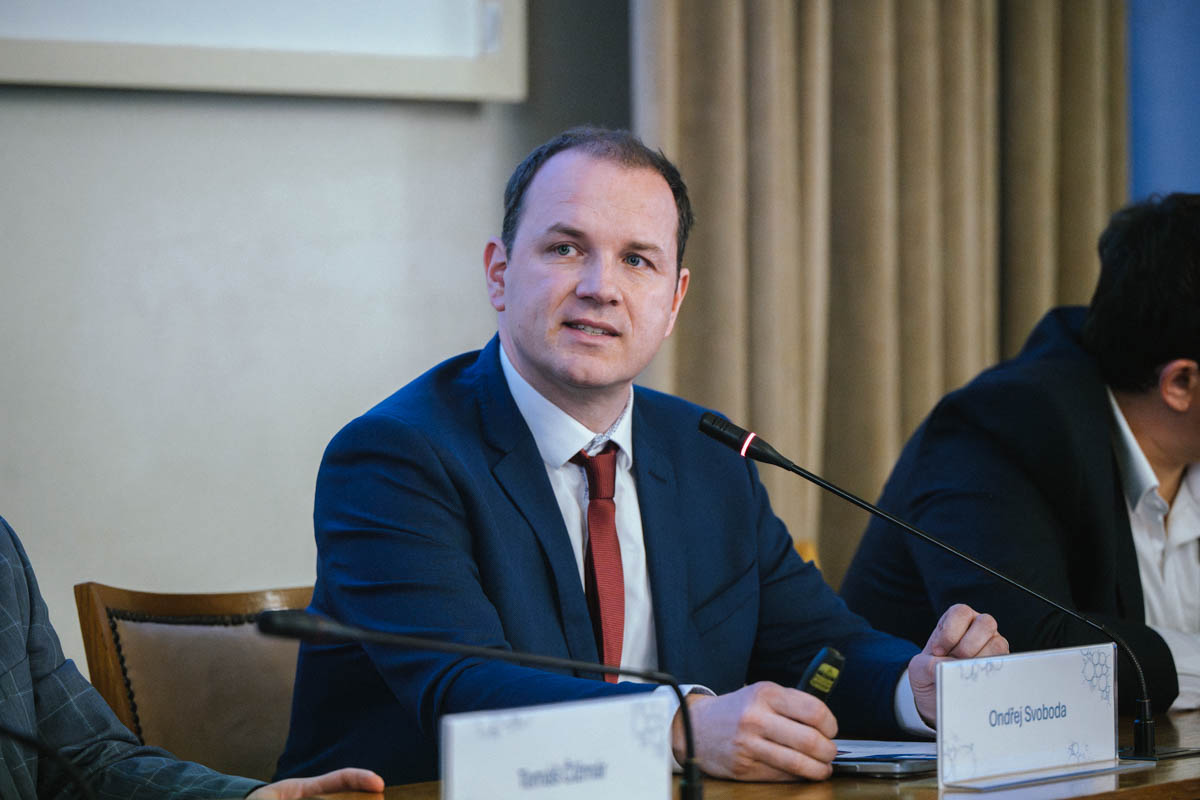
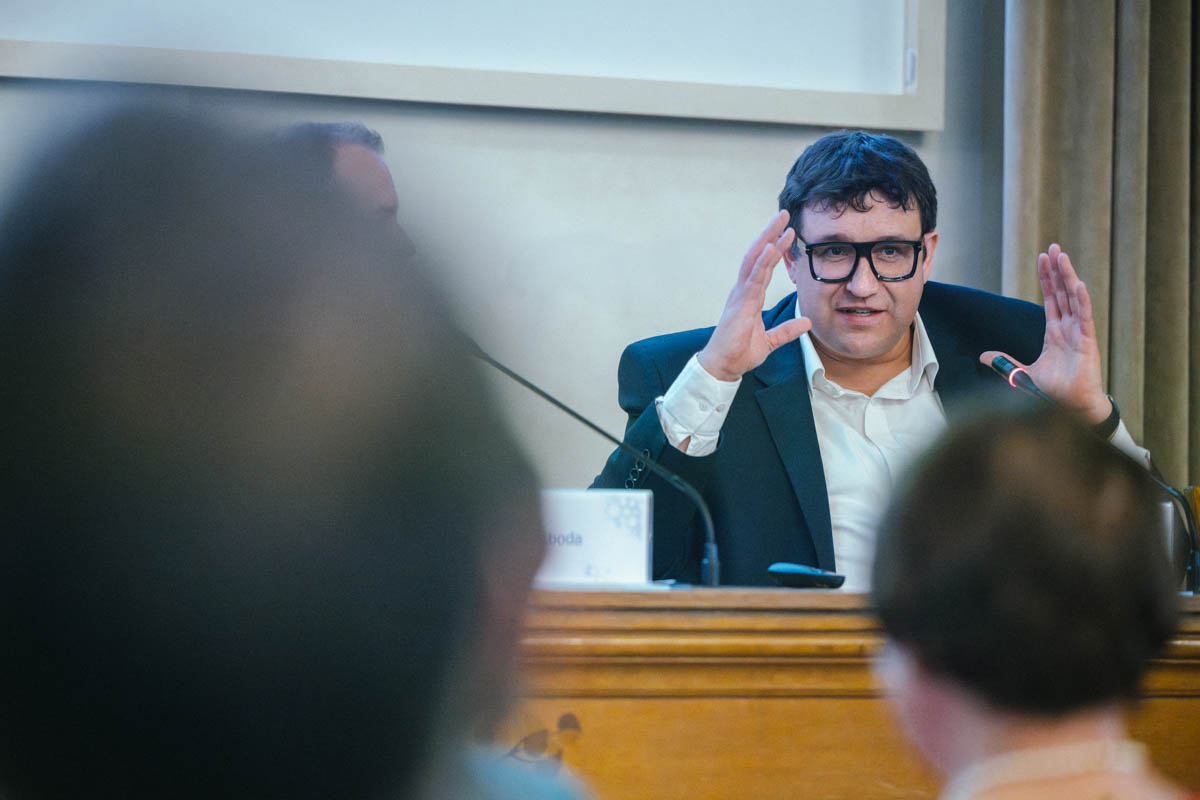
Ondřej Svoboda from the Nuclear Physics Institute of the CAS also spoke at the conference about radionuclides suitable for the treatment of cancer. Josef Foldyna from the Institute of Geonics of the CAS discussed the industrial potential of high-speed water jets.
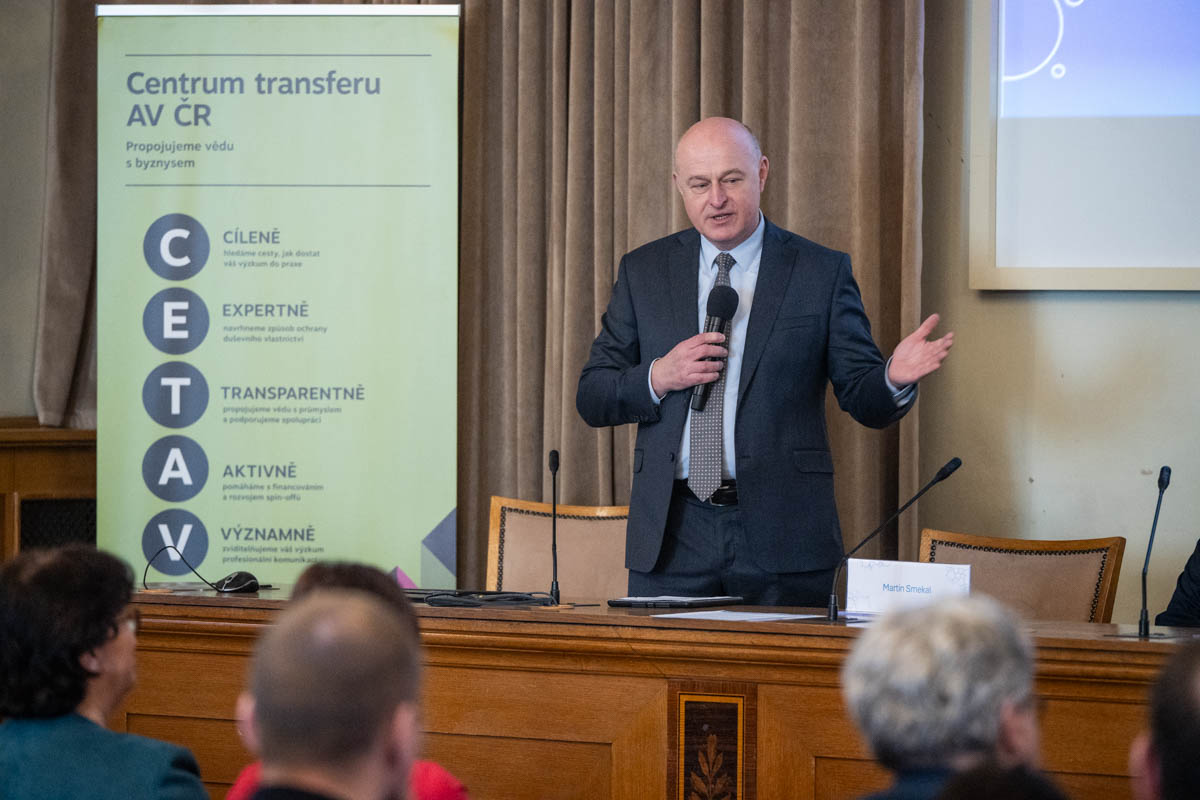
The program concluded with a presentation by Martin Smekal, Head of the Technology Transfer Centre of the CAS (CETAV). He summarized the past ten years of the transfer center’s activities and introduced the newly established joint-stock company of the Czech Academy of Sciences. You can read more about the new company in our article here.
Written and prepared by: Leona Matušková, External Relations Division, CAO of the CAS
Translated by: Tereza Novická, External Relations Division, CAO of the CAS
Photo: Josef Landergott, External Relations Division, CAO of the CAS
 The text and photos are released for use under a Creative Commons license.
Read also
- Czech Academy of Sciences to launch a joint-stock company
- In the Age of AI, Spotting a Fake Photo Is Harder Than Ever, Expert Says
- How to Turn Ideas into Successful Grants: The New ERC Incubator Is Offering Help
- SciComm 360° Tackled How to Communicate Science in the Age of Disinformation
- The Academy of the Future? A New Vision for Attracting Scientific Talent
- When Cars Fly and Bullets Swerve – Physics Gone Wrong on the Silver Screen
- The Academy to Boost Excellence and Careers in Research with New Programs
- Could an asteroid hit Earth? The risk is low, but astronomers are keeping watch
- At the nanoscale, gold can be blood red or blue, says Vladimíra Petráková
- The beauty of Antarctic algae: What can diatoms tell us about climate change?
The Czech Academy of Sciences (the CAS)
The mission of the CAS
The primary mission of the CAS is to conduct research in a broad spectrum of natural, technical and social sciences as well as humanities. This research aims to advance progress of scientific knowledge at the international level, considering, however, the specific needs of the Czech society and the national culture.
President of the CAS
Prof. Radomír Pánek started his first term of office in March 2025. He is a prominent Czech scientist specializing in plasma physics and nuclear fusion.